
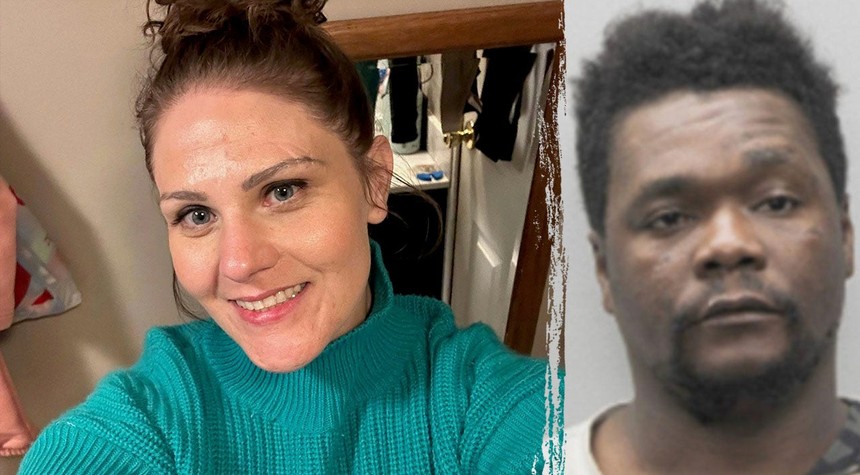
A Virginia man accused of fatally stabbing a woman at a bus stop Monday night had been arrested more than a dozen times previously, with prosecutors dropping charges in most cases, according to court records.
Abdul Jalloh, 32, faces murder charges in the death of Stephanie Minter, 41, of Fredericksburg. Officers from the Fairfax County Police Department discovered Minter with stab wounds to her upper body at a bus stop shelter on Richmond Highway. She was pronounced dead at the scene.
Surveillance footage captured Jalloh and Minter exiting a bus together at Richmond Highway and Arlington Drive on Monday evening. The following day, a liquor store employee contacted authorities after observing what appeared to be shoplifting. Officers arrested Jalloh at that location on theft charges. Investigators connected him to the murder one day later.
Authorities have not yet established a motive for the killing or determined what circumstances preceded the fatal encounter.
A review of online court records reveals a troubling pattern. Jalloh accumulated more than a dozen arrests in northern Virginia on various charges, including petty larceny and malicious wounding. In the majority of these cases, prosecutors elected to drop the charges rather than pursue conviction.
This case raises serious questions about the handling of repeat offenders within the criminal justice system. When individuals with extensive arrest records continue to be released without facing consequences, the potential for tragedy increases substantially.
Laura Birnbaum, chief of staff for Fairfax County Commonwealth’s Attorney Steve Descano, acknowledged that Jalloh was familiar to the district attorney’s office. In a statement, Birnbaum said prosecutors were “acutely aware of the risk he posed to the community” and noted that the office had previously secured a conviction against the defendant.
However, the circumstances surrounding that conviction and why Jalloh remained free to allegedly commit this murder remain unclear. The statement raises as many questions as it answers about prosecutorial decisions regarding this individual.
The facts of this case demand scrutiny of policies that appear to prioritize leniency over public safety. A woman is dead, and the accused killer had been given multiple opportunities to change course. Each dismissed charge represented a decision point where intervention might have prevented this outcome.
Stephanie Minter’s death underscores the real-world consequences of criminal justice policies that fail to adequately address repeat offenders. Her family now mourns a preventable loss while seeking answers about how the system failed to protect her.
As this case proceeds through the courts, it serves as a stark reminder that criminal justice reform must balance compassion with accountability. The safety of law-abiding citizens cannot be subordinated to ideological preferences for reduced incarceration.
The investigation continues as authorities work to piece together the complete sequence of events that led to this tragedy.
Related: Detroit Lions Cornerback Linked to Alleged Kidnapping Plot in Florida
