
A coalition of more than 100 international free speech experts and advocates has issued a stark warning about the European Union’s Digital Services Act (DSA), characterizing it as a significant threat to freedom of expression across Western nations.
The newly implemented law grants the European Commission broad authority to impose substantial financial penalties on technology companies deemed insufficiently aggressive in combating what European regulators classify as disinformation. As the November review period approaches, concerns about the law’s implications for democratic discourse have intensified.
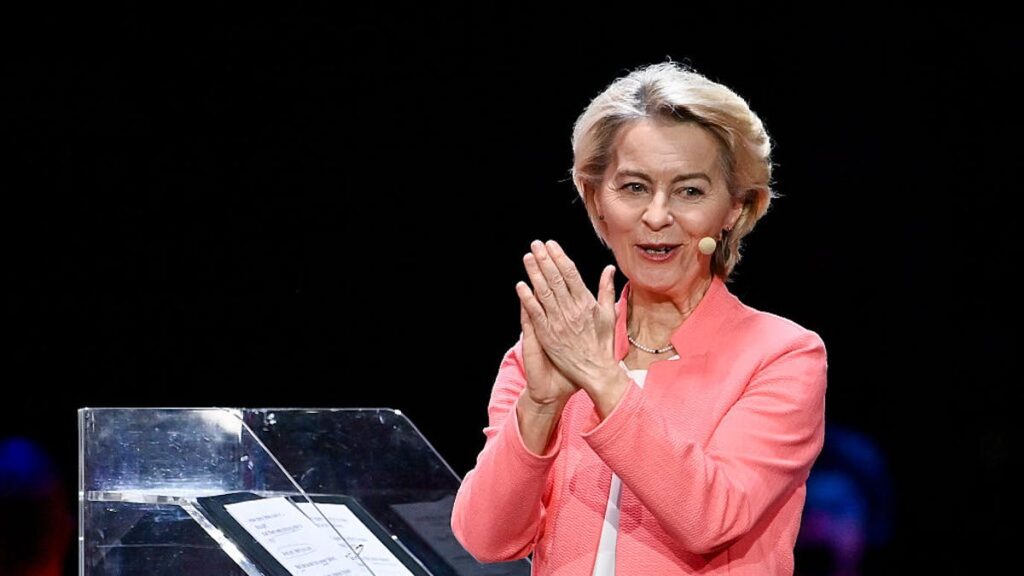
“Freedom of expression serves as the foundation of democratic societies, facilitating the exchange of ideas – including controversial ones – through which societies progress and public officials remain accountable,” the coalition emphasized in their formal communication to European Commission President Ursula von der Leyen.
The DSA’s framework establishes comprehensive mechanisms enabling both government institutions and private entities to flag content they deem “illegal” – a term broadly encompassing any material that conflicts with European Union or national laws. The regulation relies heavily on non-governmental organizations to advise lawmakers on determining illegal online content.
Under the new provisions, technology companies face severe penalties for non-compliance, with fines potentially reaching 6% of their global revenue. This creates a powerful incentive for platforms to err on the side of censorship rather than risk financial consequences.
The coalition highlighted several concerning cases, including the prosecution of Finnish Parliament Member Päivi Räsänen for expressing Christian views about marriage and sexuality on social media, and the case of veteran Adam Smith-Connor, who faced legal action for silent prayer near an abortion facility.
The international group of signatories, representing diverse political and professional backgrounds, includes notable figures such as Hoover Institution research fellow Ayaan Hirsi Ali, former Kansas governor and religious freedom ambassador Sam Brownback, and several members of the European Parliament. Their collective expertise spans journalism, academia, politics, and civil rights advocacy.
Of particular concern is the DSA’s potential to enable individual European nations to extend their specific speech restrictions across the entire European Union, effectively creating what the coalition describes as “a pan-European censorship infrastructure with loosely defined boundaries.”
This development represents a significant shift in international digital governance, with implications extending far beyond European borders due to the global nature of online platforms and their need to comply with regional regulations.
The coalition’s warning comes at a crucial moment as democratic nations grapple with the challenge of balancing online safety measures against fundamental rights of free expression. While the DSA’s stated aims include combating serious online threats such as child exploitation and terrorism, critics argue its broad scope and vague definitions create dangerous precedents for limiting legitimate political discourse.
