
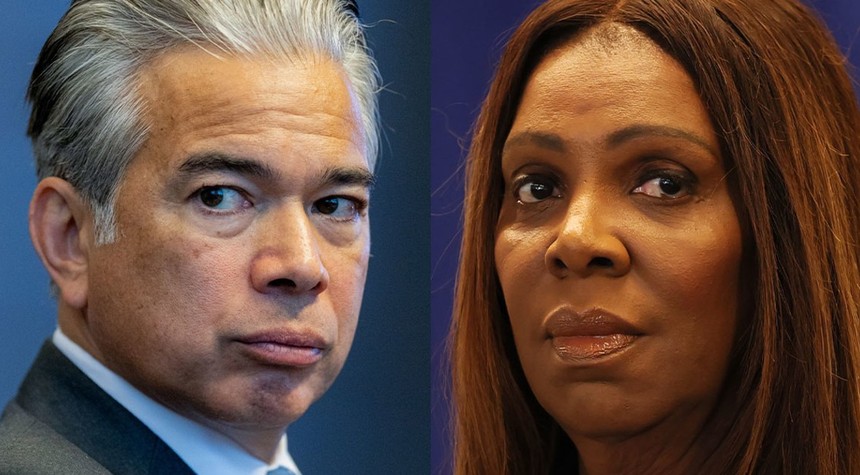
Eight state attorneys general filed suit in federal court late Wednesday to halt the proposed $6.2 billion merger between television station owner Nexstar and rival broadcaster Tegna, arguing the consolidation would violate federal antitrust laws and diminish local journalism across America.
The legal challenge, led by California Attorney General Rob Bonta and New York Attorney General Letitia James, brings together prosecutors from both political parties in Colorado, Illinois, Oregon, North Carolina, Connecticut, and Virginia. The lawsuit was filed in the United States District Court for the Eastern District of California.
At the heart of the matter lies a fundamental question about media consolidation in an era when local news operations face mounting financial pressures. The states argue that allowing such extensive consolidation would reduce competition, limit diverse voices, and ultimately harm consumers who depend on independent local journalism to hold government and institutions accountable.
The proposed merger faces a significant regulatory hurdle. Current federal regulations prohibit any single broadcasting company from reaching more than thirty-nine percent of United States households. The combined Nexstar-Tegna entity would reach nearly sixty percent of American households, requiring the Federal Communications Commission to change existing ownership caps before the deal could proceed.
FCC Chairman Brendan Carr has publicly expressed support for the merger, stating his desire to see the deal completed. However, the commission has not announced whether it intends to hold a vote on modifying the national ownership restrictions. The agency declined to comment on the lawsuit.
Nexstar currently oversees more than two hundred owned and partner stations operating in one hundred sixteen markets nationwide. The company’s portfolio includes the broadcast network The CW and the cable news channel NewsNation. Tegna operates sixty-four stations across fifty-one markets.
The lawsuit invokes Section 7 of the Clayton Antitrust Act, which prohibits acquisitions that would substantially lessen competition in any market. California’s attorney general specifically cited concerns about reduced competition in the Sacramento and San Diego media markets, while New York’s chief prosecutor focused on potential consolidation effects in the Buffalo market.
This legal action represents part of a broader trend of state attorneys general asserting authority over media industry mergers and acquisitions. In recent months, more than two dozen state prosecutors from both parties have intervened in various media consolidation cases, including the federal antitrust action against Live Nation and Ticketmaster. California’s office is also examining the proposed merger between Paramount Skydance and Warner Bros. Discovery.
The states contend that excessive consolidation in local broadcasting markets could lead to higher cable fees for consumers while reducing the diversity of news coverage available to communities. They argue that independent local journalism serves as an essential check on governmental power and that concentrating ownership undermines this democratic function.
Neither Nexstar nor Tegna has issued a public response to the lawsuit at this time.
The case will test whether federal courts are willing to block major media consolidations even when federal regulators signal approval, and whether concerns about preserving local journalism will carry weight in traditional antitrust analysis focused primarily on consumer pricing and market competition.
Related: Young Americans Face Growing Threat From Online Gambling Addiction
