
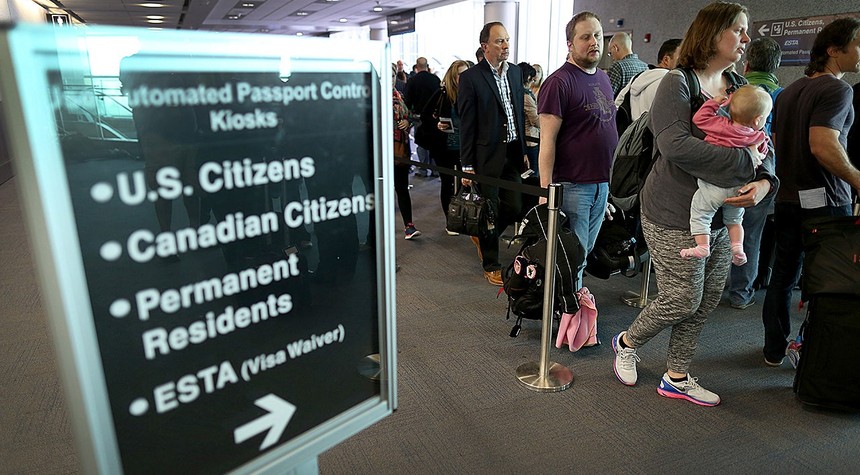
The Department of Homeland Security has announced significant changes to its screening procedures for foreign travelers seeking entry into the United States. Under the new policy, visitors from countries participating in the Visa Waiver Program will be required to provide five years of their social media history before receiving authorization to enter American territory.
U.S. Customs and Border Protection filed notice of this policy change in the Federal Register on Tuesday. The agency stated that social media information will now constitute a mandatory data element for all Electronic System for Travel Authorization applications. This modification comes in direct response to Executive Order 14161, signed by President Donald Trump on January 20, 2025, which focuses on protecting the United States from foreign terrorists and other national security threats.
The Electronic System for Travel Authorization serves as an automated screening mechanism to determine whether visitors traveling under the Visa Waiver Program pose law enforcement or security risks to the nation. The program currently permits citizens of designated allied nations, including the United Kingdom, France, Italy, and Japan, to enter the United States for business or tourism purposes for stays not exceeding 90 days without obtaining a formal visa.
The executive order underlying this policy change articulates a clear position on immigration security. It declares that protecting American citizens from aliens who intend to commit terrorist attacks, threaten national security, espouse hateful ideology, or otherwise exploit immigration laws for malevolent purposes represents fundamental United States policy. The order emphasizes that vigilance during the visa-issuance process remains essential to ensuring that approved aliens do not intend to harm Americans or national interests.
The Customs and Border Protection notice allows the American public a 60-day period to submit comments on the proposed policy before final implementation. This comment period represents standard procedure for significant regulatory changes affecting international travel and border security.
This development arrives amid broader immigration enforcement actions by the current administration. Recent weeks have seen the revocation of tens of thousands of visas as part of what officials describe as a comprehensive immigration crackdown targeting safety threats. The State Department has also taken action against Mexican executives implicated in migrant smuggling operations, demonstrating a multi-faceted approach to border security and immigration enforcement.
The practical implications of this policy shift remain substantial. Millions of travelers who previously enjoyed streamlined entry into the United States through the Visa Waiver Program will now face enhanced scrutiny of their digital footprints spanning half a decade. The requirement raises questions about privacy considerations, implementation logistics, and the criteria by which social media content will be evaluated for security purposes.
As this policy moves through the public comment period toward implementation, it represents another chapter in the ongoing national debate over balancing security imperatives with the facilitation of international travel and commerce. The coming weeks will reveal whether public feedback influences the final form of these requirements or whether the administration proceeds with the policy as currently outlined.
Related: California Man Dies After Being Served 33 Drinks on Royal Caribbean Cruise
