
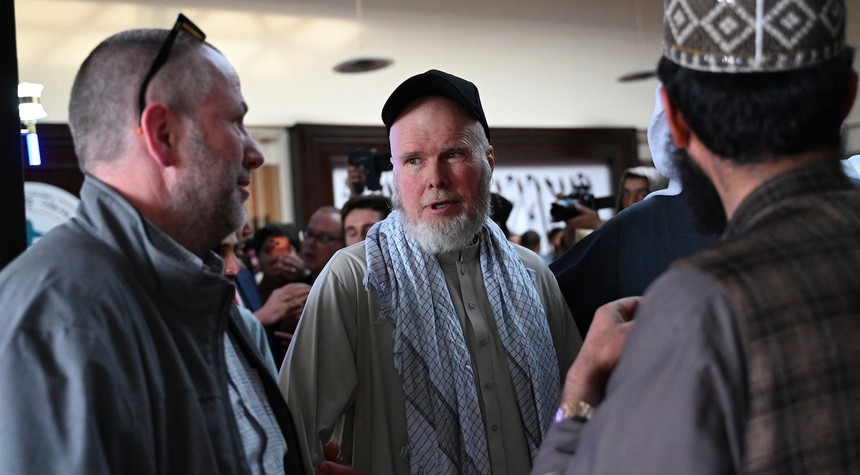
An American citizen detained in Afghanistan for more than a year has been released by Taliban authorities and is returning to the United States.
Dennis Coyle, a 64-year-old academic from Pueblo, Colorado, was freed Tuesday following what Taliban officials described as a family appeal coinciding with the Islamic holiday of Eid Al-Fitr. The Taliban foreign ministry stated that Coyle’s family had submitted a letter requesting his release during the religious observance, prompting authorities to determine his detention period had been “sufficient.”
According to the ministry, an Afghan court approved Coyle’s release. Taliban officials had maintained throughout his captivity that Coyle was detained for “violating the applicable laws of Afghanistan,” though they provided limited details about the specific charges or circumstances surrounding his arrest on January 27 of last year.
The United States government had designated Coyle as wrongfully detained, a classification that triggers additional diplomatic resources and prioritizes efforts to secure an American citizen’s release.
Secretary of State Marco Rubio confirmed Coyle’s release in a statement Tuesday, emphasizing the administration’s broader commitment to bringing Americans home from foreign detention.
“Today, after more than a year of captivity in Afghanistan, Dennis Coyle is on his way home,” Rubio said. “President Trump is committed to ending unjust detentions overseas.”
The Secretary noted that Coyle represents the latest in a series of successful efforts to free American citizens held abroad. According to Rubio’s statement, more than 100 Americans have been released from foreign detention during the first 15 months of President Trump’s second term in office.
The release comes amid limited diplomatic engagement between Washington and the Taliban government that assumed control of Afghanistan following the American withdrawal in August 2021. While the United States does not formally recognize Taliban rule, the two sides have maintained channels of communication on matters of mutual concern, including the status of American citizens.
Coyle’s detention had raised concerns among family members and advocacy groups working on behalf of Americans held overseas. The circumstances that led to his initial arrest remain unclear, as does the nature of his work or presence in Afghanistan at the time.
The timing of his release during Eid Al-Fitr, one of Islam’s most significant religious celebrations marking the end of Ramadan, suggests the Taliban may have viewed the gesture as consistent with traditional practices of clemency during the holiday period.
As Coyle makes his journey home to Colorado, his case adds to the ongoing challenges facing Americans who travel to or work in unstable regions where diplomatic protections may be limited or nonexistent.
The administration has made the return of wrongfully detained Americans a stated priority, though each case presents unique diplomatic and legal complexities that can extend negotiations for months or years.
Related: Houston Drug Bust Nets Massive Quantities of Narcotics and 17 Firearms
