
Congressional Democrats find themselves navigating internal tensions following the conclusion of the longest government shutdown in recent memory, a 40-day standoff that economists estimate will cost taxpayers between $7 billion and $14 billion.
The discord centers on eight Senate Democrats who crossed party lines this week to provide Republicans with the necessary votes to pass a budget and reopen the government through the end of January. The decision has drawn sharp criticism from the progressive wing of the party, which views the compromise as a capitulation to Republican demands.
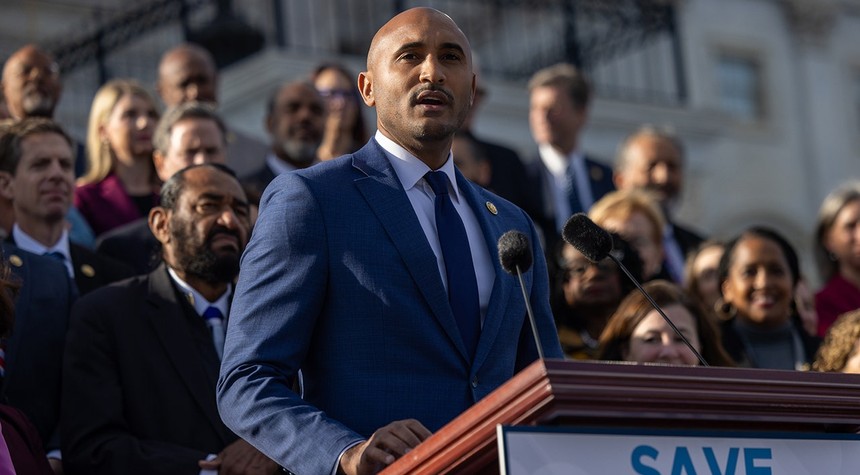
Representative Shomari Figures of Alabama did not mince words when addressing the matter on the Capitol steps. The freshman congressman expressed deep disappointment with his party’s decision to end what he characterized as a necessary fight for affordable healthcare.
“I think they are rightfully disappointed,” Figures stated, referring to constituents and activists frustrated with the outcome. “At the end of the day, we took on this fight for more than 40 days to make healthcare more affordable, being one of the primary goals that we had in this fight and to see us give in now at the end is something that is incredibly frustrating, incredibly disappointing for myself included.”
Representative Shri Thanedar echoed these sentiments, arguing that Democrats should have maintained their position. “We needed to stay fighting,” Thanedar said. “The stronger our resolve to fight, the more successful we would have been. But it looked like there was always some people in the U.S. Senate that were never on board to continue this fight.”
The compromise that ended the shutdown includes a commitment from Republican leadership to hold a mid-December vote on extending Obamacare subsidies set to expire at year’s end. However, this concession has done little to mollify progressive members who believe their party surrendered leverage prematurely.
Figures employed colorful language to underscore his position on the matter. “We had a moment right now where we needed fighters. We need people to be here and stand up and lay it on the line,” he said. “As we say in Alabama, we need big dogs right now. We don’t need porch puppies. If you’re not here for this fight, if you’re not willing to be engaged in this and willing to lay it on the line for people that are counting on us, then you need to reconsider it.”
The rift exposes a familiar fault line within the Democratic Party between its moderate and progressive factions. This internal struggle has manifested repeatedly in recent years as the party attempts to balance competing priorities and maintain coalition unity.
The eight Senate Democrats who voted with Republicans have not publicly responded to the criticism from their House colleagues. The situation raises questions about party strategy heading into the promised December vote on healthcare subsidies and beyond.
As government operations resume, the political fallout from this episode continues to reverberate through Democratic ranks, with implications for future legislative battles and party cohesion.
Related: Progressive Democrats Challenge Party Leadership Over Shutdown Resolution
