
A significant breach in traditional protocol has emerged at the National Governors Association’s annual winter gathering, as eighteen Democratic governors have announced they will boycott White House events after two of their colleagues were excluded from the customary bipartisan dinner.
The controversy centers on the decision by the White House to exclude Colorado Governor Jared Polis and Maryland Governor Wes Moore from the invitation list for the dinner traditionally extended to all governors, regardless of party affiliation. The National Governors Association’s winter gathering, held from February 19 through 21, has historically served as an opportunity for bipartisan cooperation between state and federal leadership.
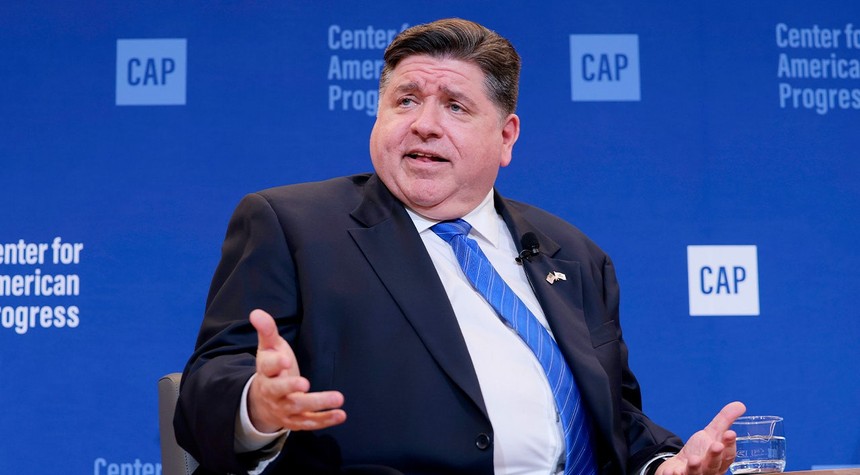
Illinois Governor JB Pritzker stated his position plainly on Tuesday. “No way will I attend the White House dinner with this President,” Pritzker declared. “I’m standing with Gov. Wes Moore and Gov. Jared Polis, and standing against Trump’s corruption and hatred. And I’m calling on my Republican colleagues to do the same.”
The boycott has been organized by Kentucky Governor Andy Beshear, who chairs the Democratic Governors Association, and Michigan Governor Gretchen Whitmer, who serves as vice chair. The list of participating governors includes several prominent Democratic leaders: California Governor Gavin Newsom, Pennsylvania Governor Josh Shapiro, and Minnesota Governor Tim Walz.
The eighteen governors released a joint statement Tuesday criticizing President Donald Trump for creating what they termed “chaos and division” through the selective invitation process.
A White House official offered a different characterization of the situation, telling reporters that “many Democrats were invited to dinner at the White House” while acknowledging that others were not. The official did not provide specific criteria for the selection process or explain the departure from the longstanding tradition of universal invitations.
The decision to alter the invitation protocol appears to stem from tensions that developed during last year’s winter gathering. In February of the previous year, President Trump engaged in a public confrontation with Maine Governor Janet Mills during a televised bipartisan working session. The dispute centered on the contentious issue of transgender participation in sports. The exchange, broadcast nationally, led to weeks of continued public disagreement between the President and Governor Mills.
This incident marks a notable departure from the customary approach to the National Governors Association gatherings, which have traditionally emphasized cooperation between federal and state leadership across party lines. The association has long served as a forum where governors of both parties could engage with the sitting president on matters of shared concern, from infrastructure and disaster relief to education policy and economic development.
The boycott represents one of the most coordinated responses by Democratic governors to the current administration’s actions. Whether this development will have lasting implications for federal-state relations or prove to be an isolated incident remains to be seen. What is certain is that a tradition of bipartisan engagement, carefully maintained through previous administrations of both parties, has been disrupted.
The White House has not announced any plans to extend additional invitations or modify its approach to the remaining events scheduled during the National Governors Association gathering.
Related: Nancy Pelosi Endorses JFK’s Grandson for New York Congressional Seat
