
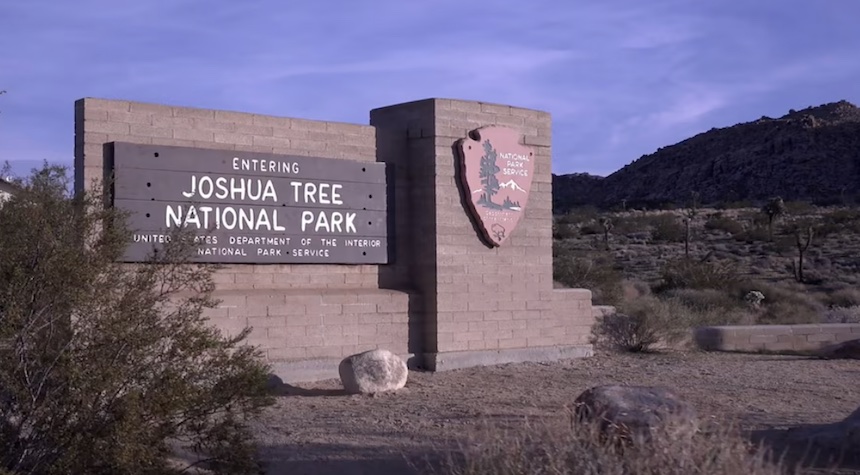
A federal court in California has ruled against the U.S. Fish and Wildlife Service in a case concerning the protection of the Joshua tree under the Endangered Species Act. This decision overturns the Service’s previous determination that the iconic desert plant does not require such safeguards.
The Central District of California found that the Fish and Wildlife Service’s decision to withhold Endangered Species Act protections from the Joshua tree was, in the court’s view, unlawful and failed to adequately consider climate science. This ruling comes in response to a lawsuit filed by the environmental group WildEarth Guardians.
In 2015, WildEarth Guardians petitioned for the Joshua tree to be listed as a threatened species. However, a 2023 assessment by the Fish and Wildlife Service concluded that neither of the two Joshua tree species required such protections. The Service cited its evaluation of threats, including wildfire, invasive grasses, climate change, and habitat loss.
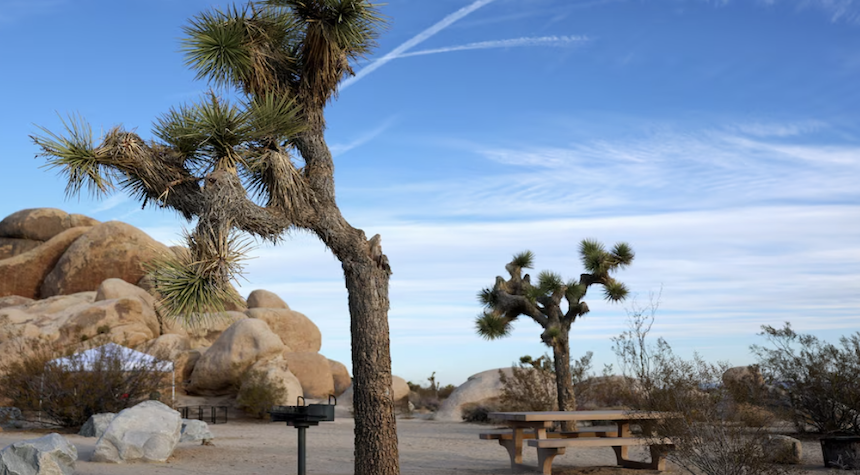
To understand this fully, we should note that the Joshua tree, known for its distinctive appearance, is native to the arid southwestern United States. Multiple scientific studies have indicated that climate shifts in the Mojave Desert pose significant threats to the tree’s survival, particularly through increased wildfire risk.
The significance becomes clear when we consider the court’s ruling. The decision states that the Fish and Wildlife Service “has not provided a rational explanation as to why climate change alone does not threaten the species to become threatened or endangered.” The court also questioned the Service’s timeline for assessing the tree’s future, noting that it only considered projections to mid-century, rather than the end of the 21st century, as is common in scientific assessments.
This raises important questions about how federal agencies evaluate long-term environmental threats and apply scientific data to conservation decisions. The court has instructed the Fish and Wildlife Service to reconsider its decision with a more comprehensive scientific analysis.
Both sides of this issue present compelling arguments. Conservationists argue that immediate action is necessary to protect the Joshua tree from climate-related threats. The Fish and Wildlife Service maintains that its original assessment was thorough and that the trees will remain “an iconic presence on the landscape into the future.”
