
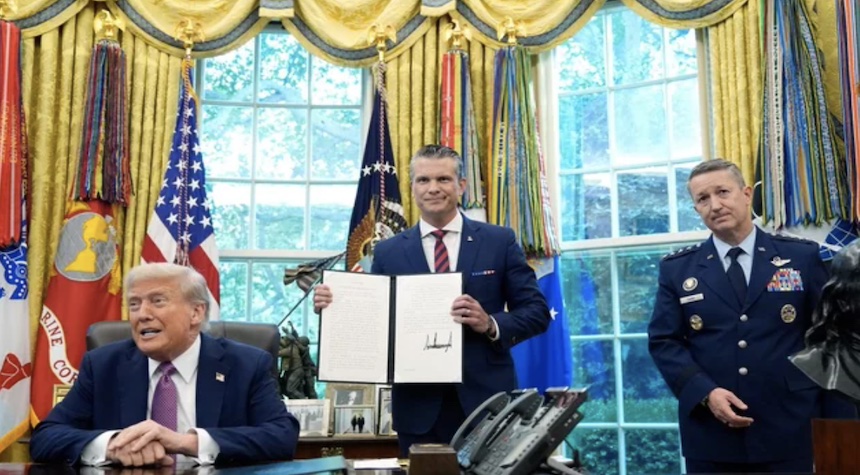
The U.S. Capitol Police stands poised to receive a funding package exceeding $1 billion, a figure unparalleled in the agency’s history, according to reliable sources at Politico.
This surge in security commitment can be traced to a series of alarming incidents, most notably the assassination of conservative leader Charlie Kirk. The tragic event, coupled with surges in political violence and rising tensions, has stirred lawmakers to seek enhanced security measures not only at the Capitol but also at their residences and for their families.
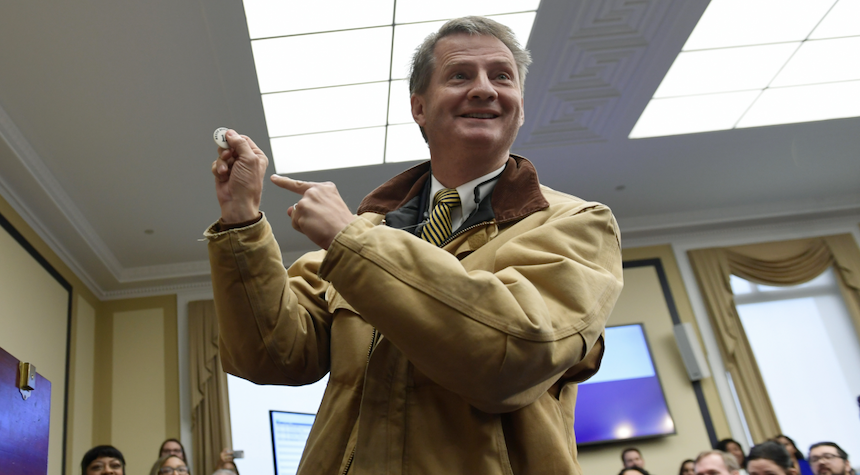
Some members of Congress suggest a realignment of spending priorities may be necessary. According to reports, Rep. Tim Burchett, R-Tenn., has voiced his concerns over the ease of allocating funds for certain causes, while finding it more challenging when it comes to ensuring the safety of lawmakers.
You May Also Like: Starbucks Announces 900 Layoffs and Store Closures
The debate over funding for congressional member security is escalating as appropriators rush to finalize the fiscal 2026 legislative branch spending bill, which covers operations of Congress and member safety. Following the Kirk assassination, House Republicans, including Burchett, have urgently called on leadership to increase security funding.
While leadership has promised additional investments, including a standalone member security supplemental, the urgency of the situation is palpable. Burchett emphasized swift action, urging a consensus to be formed and for the matter to be debated openly on the floor.
Currently, continuous security protection is reserved for party leaders or members under imminent threat. However, extending such protections to all lawmakers could result in costs running into the billions. Some lawmakers suggest tapping into Members’ Representational Allowances (MRAs) for personal security, while others propose training office staff in protective duties.
Existing programs already permit members to fund security measures such as cameras, ballistic vests, and home security upgrades. Nevertheless, the push from Burchett and others reflects frustration with a perceived slow and fragmented response, underscoring a growing demand for a more systematic approach to safety as threats continue to rise.
