
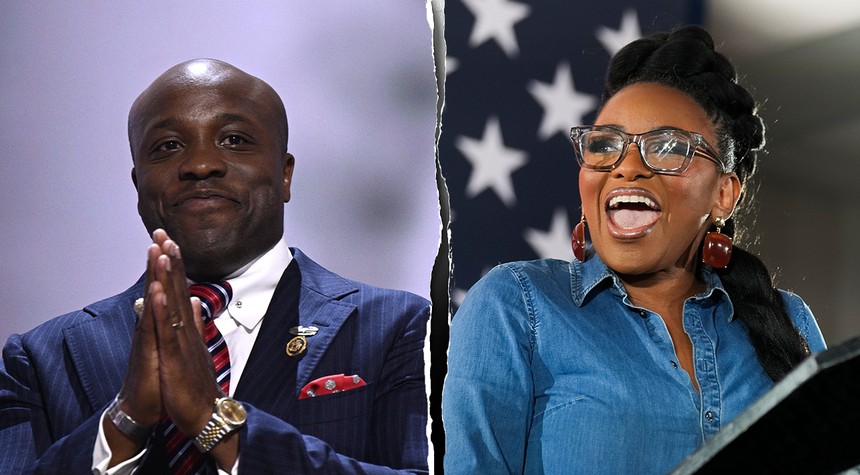
The Texas Senate race has taken an intriguing turn as two sitting House members, representing starkly different political philosophies, have begun discussions about a potential debate that could provide voters with a clear contrast heading into the election.
Representative Wesley Hunt, a Republican from Texas, has extended a debate invitation to his Democratic colleague, Representative Jasmine Crockett, following her entry into the Senate race earlier this week. Hunt currently faces a competitive Republican primary against incumbent Senator John Cornyn and Texas Attorney General Ken Paxton.
According to sources familiar with the matter, Crockett approached Hunt on Capitol Hill to discuss the possibility of such a debate. The conversation marked the first direct exchange between the two lawmakers, despite serving together in Congress.
“Jasmine Crockett and I see two different Americas,” Hunt stated. “She defines this country by victimhood. I define it by hard work, grit, and determination.”
Hunt’s willingness to engage in this debate reflects his confidence in articulating a vision that emphasizes individual achievement over grievance politics. His campaign has already prepared promotional materials for the potential encounter, suggesting serious intent behind the challenge.
The race carries historical significance. Should either candidate prevail in November, they would become the first Black American elected to statewide office in Texas history. Hunt addressed this milestone with characteristic directness, emphasizing his identity as an American above all else.
“I’m the great-great-grandson of a slave,” Hunt explained. “Our family story is one of going from a plantation to West Point, combat, and the United States Congress. That’s the story of American progress.”
He continued, “I’m proud to be Black, but I’m prouder to be an American and a native Texan. I’m far more focused on being a father, a husband, a veteran, a servant leader, and a citizen than my skin color.”
This perspective stands in marked contrast to the approach taken by many Democratic candidates who have emphasized identity politics as a central campaign theme.
Crockett’s entry into the race presents Democrats with a different type of candidate for Texas. Her congressional district covers a substantial portion of the Dallas metropolitan area, and she has cultivated a significant social media following that appeals to younger voters. This digital presence represents a departure from previous Democratic Senate candidates in the state.
Hunt also maintains a robust online presence, with his campaign reporting over four million followers across various platforms. This suggests the potential debate could reach audiences far beyond traditional media coverage.
The contrast between these two candidates encapsulates broader national debates about American identity, opportunity, and the role of government. Hunt’s emphasis on personal responsibility and achievement versus what he characterizes as Crockett’s focus on systemic barriers represents a fundamental disagreement about the nature of American society.
Texas has remained reliably Republican in statewide races, though Democrats have invested heavily in recent cycles attempting to turn the state competitive. Whether Crockett’s approach will resonate differently than past Democratic efforts remains to be seen.
The potential debate would offer Texas voters an unusually direct comparison between competing visions for their state and country. Whether it materializes will depend on negotiations between the two campaigns in the coming weeks.
Related: Lindsey Vonn Returns to Victory at Age 41 in First World Cup Win Since 2018
