
The House of Representatives has approved a funding package to end the partial government shutdown, but lawmakers in the Senate are expressing considerable skepticism about whether Congress can avoid finding itself in an identical predicament within a matter of weeks.
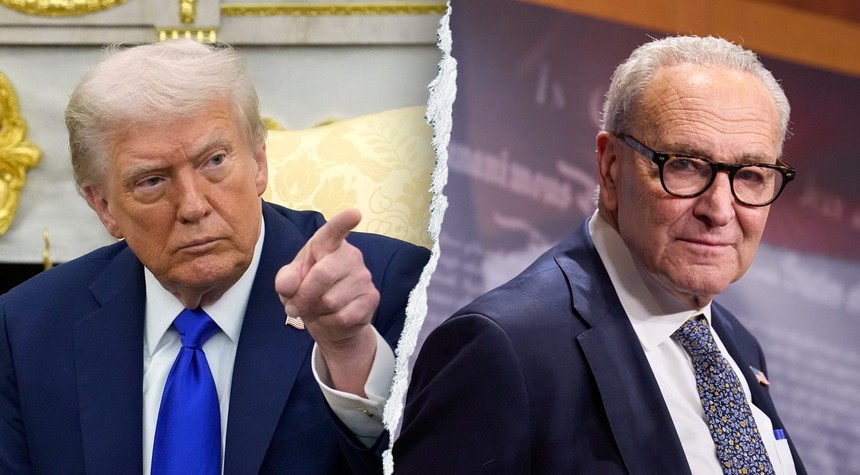
The funding agreement, negotiated between President Donald Trump and Senate Minority Leader Chuck Schumer, brought an end to last week’s shutdown. However, the compromise notably sidelined the contentious Department of Homeland Security funding bill in favor of a short-term extension designed to keep the agency operational while negotiations continue.
The House passage of this package, which addresses eleven of the twelve government agencies under congressional oversight, now sets the stage for what promises to be difficult negotiations between the White House and Senate Democrats regarding reforms to the Department of Homeland Security.
Senator Rick Scott of Florida, speaking candidly about the compressed timeline, stated his belief that completing the DHS funding bill within the allotted two weeks would prove exceedingly difficult. That window has already narrowed to just nine days as of Wednesday.
Scott numbered among a small group of Senate Republicans who rejected both the compromise plan and the underlying package. Their opposition centered on what they characterized as excessive spending on earmarks and concerns that Senate Democrats would effectively hamstring Immigration and Customs Enforcement operations nationwide.
The Florida senator warned that Congress now finds itself in a deteriorating position. With appropriations for other agencies secured, he suggested that Democrats would focus their efforts on limiting ICE’s enforcement capabilities.
The current impasse originated when Congressional Democrats sought to reopen negotiations on the bipartisan DHS bill following the fatal shooting of Alex Pretti during an immigration enforcement operation in Minneapolis. This demand prompted presidential intervention and ultimately led to Friday’s partial government shutdown.
While the funding agreement has now reached the President’s desk, it fails to extricate Congress from its fundamental predicament. The abbreviated timeframe for negotiations presents a significant challenge, particularly given that the DHS funding bill historically ranks among the most difficult appropriations measures to pass each year.
Senate Majority Leader John Thune of South Dakota acknowledged the problematic nature of the timeline, noting that negotiations must now proceed within what he described as a very short and undesirable timeframe. His comments reflected the concerns of Democrats who insisted on this approach.
Assistant Secretary of Homeland Security Tricia McLaughlin has been addressing operational matters, including the deployment of body cameras for DHS officers in Minneapolis and the ongoing civil unrest in that city.
The fundamental question facing Congress remains whether nine days provides sufficient time to bridge the substantial policy differences between Republicans seeking robust immigration enforcement and Democrats pushing for operational constraints on ICE. The answer to that question will determine whether the nation faces yet another partial shutdown focused specifically on the Department of Homeland Security.
And that is the way it is.
Related: Two States Sue Trump Administration as Hudson River Rail Project Faces Shutdown
