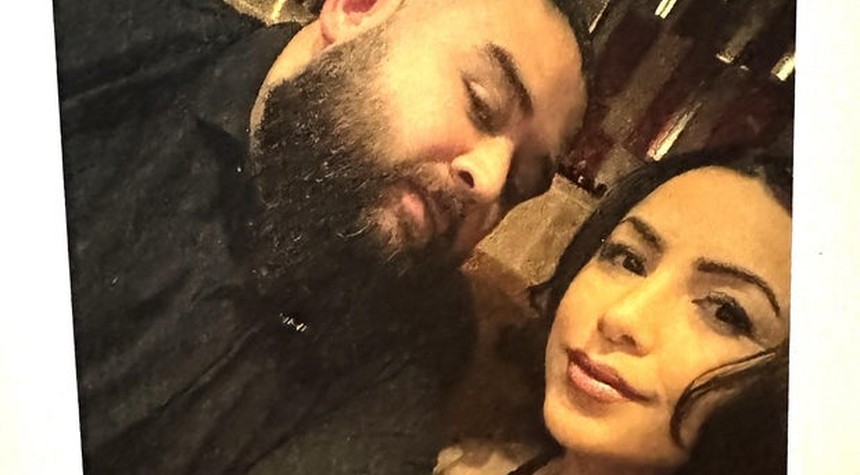
A California family has filed a wrongful death lawsuit against Royal Caribbean International following the death of 35-year-old Michael Virgil aboard the Navigator of the Seas cruise ship last December.
According to court documents filed in Miami, where the cruise line maintains its headquarters, Virgil boarded the vessel in Los Angeles on December 13, 2024, accompanied by his fiancée, Connie Aguilar, and their son. The family was bound for Ensenada, Mexico, when the incident occurred.
The lawsuit alleges that ship personnel served Virgil at least 33 alcoholic beverages within a matter of hours, despite visible signs of intoxication. The complaint further states that Virgil became disoriented while attempting to locate his cabin and grew increasingly agitated.
When security personnel intervened, the lawsuit claims they tackled Virgil to the ground and restrained him using their full body weight. The situation escalated when crew members allegedly administered Haloperidol, a prescription medication typically used to treat psychotic disorders, at the captain’s direction. Multiple cans of pepper spray were also deployed during the confrontation, according to the family’s attorneys.
Virgil died while in the care of Royal Caribbean staff and crew members.
Royal Caribbean Group issued a brief statement acknowledging the tragedy. “We were saddened by the passing of one of our guests, worked with authorities on their investigation, and will refrain from commenting any further on pending litigation,” a company spokesperson said.
The lawsuit argues that Royal Caribbean failed to exercise its right to refuse alcohol service to visibly intoxicated passengers, a responsibility the attorneys contend is fundamental to protecting guest safety. The complaint also takes aim at the cruise line’s business practices, alleging the company deliberately markets unlimited beverage packages and ensures bars are readily accessible throughout its vessels.
Beyond the negligence claims related to alcohol service, the lawsuit alleges inadequate hiring and training of crew members, including medical and security personnel, whose actions allegedly contributed to Virgil’s death.
This marks the second such lawsuit filed against Royal Caribbean in recent months involving passenger deaths and alcohol consumption. In October 2024, 66-year-old Dulcie White went overboard during a themed cruise after crew members allegedly continued serving her alcohol despite signs of extreme intoxication. That lawsuit similarly cited the cruise line’s unlimited alcoholic beverages package.
White’s daughter, Megan Klewin, reflected on the circumstances surrounding her mother’s death. “Because of that drink package, she did overdo it, trying to maybe get her money’s worth,” Klewin said. “She was completely intoxicated in a way I haven’t seen before. It saddens me that that is my last memory of her.”
The cases raise serious questions about the cruise industry’s policies regarding alcohol service and the adequacy of safety protocols when dealing with intoxicated passengers. As these lawsuits proceed through the courts, they may prompt broader scrutiny of unlimited beverage packages and the training standards for cruise ship personnel tasked with managing passenger welfare.
The facts of this case speak for themselves, and the legal process will determine where responsibility lies.
Related: Oklahoma University Investigates Viewpoint Discrimination Claims Against Two Faculty Members