
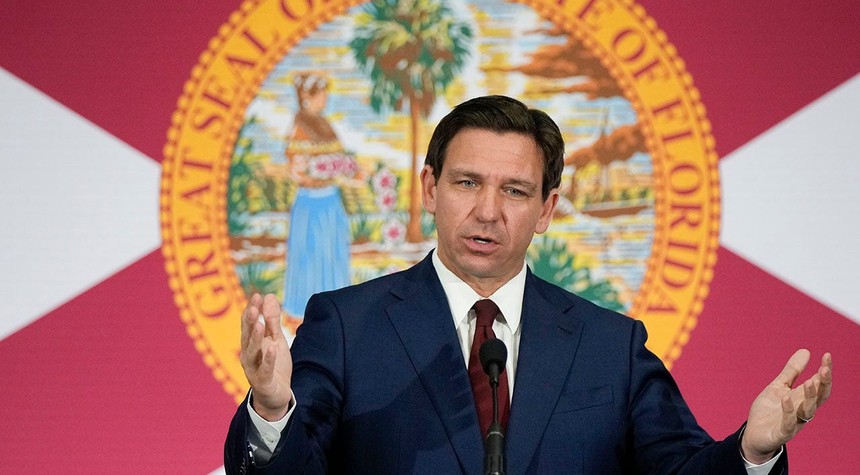
Florida Governor Ron DeSantis faces a legal challenge from the Council on American-Islamic Relations following his executive order designating the organization as a foreign terrorist entity, a move that has ignited debate over executive authority and religious freedom.
The Florida chapter of CAIR announced its intention to file suit against the governor during a news conference this week. Hiba Rahim, the chapter’s deputy executive director, characterized the order as an attack based on unfounded conspiracy theories and drew parallels to historical discrimination against Jewish, Irish, and Italian American communities.
“We are very proud to defend the founding principles of our Constitution, to defend free speech,” Rahim stated. “We are proud to defend democracy, and we are proud to be America first.”
Governor DeSantis defended his administration’s decision, telling reporters Tuesday that he welcomed the legal challenge and described the designation as overdue. The executive order also designates the Muslim Brotherhood as a foreign terrorist organization, following President Donald Trump’s recent executive order initiating a federal review process for certain Muslim Brotherhood chapters.
The governor indicated that Florida lawmakers would likely pursue related legislation when the state legislature reconvenes in January, calling the executive order merely the beginning of broader efforts.
Under the directive, Florida state agencies are prohibited from awarding contracts, employment opportunities, or funding to CAIR, the Muslim Brotherhood, or any organizations determined to have provided material support to these groups.
Attorney Miranda Margolis, speaking at the Tampa news conference, challenged the legal foundation of the order and argued that DeSantis had overstepped his constitutional authority by unilaterally designating a nonprofit organization as a terrorist entity.
“This designation is without legal or factual basis and constitutes a dangerous escalation of anti-Muslim political rhetoric,” Margolis said.
Florida’s action follows a similar proclamation by Texas Governor Greg Abbott. CAIR has already filed a federal lawsuit challenging Abbott’s designation, arguing it violates both the United States Constitution and Texas state law. Muslim and interfaith organizations have called upon Abbott to rescind his order.
Rahim suggested that the governor’s support for Israel influenced the decision, noting that CAIR’s activism had caused discomfort to the American ally. She emphasized that the organization would not retreat from its positions despite the designation.
The legal battles ahead will likely determine the extent of gubernatorial authority in designating organizations as terrorist entities, a power traditionally reserved for the federal government. The outcomes could have significant implications for state-federal relations and the balance between security concerns and constitutional protections.
As both Florida and Texas move forward with their designations, the courts will now decide whether these executive actions fall within the governors’ constitutional authority or represent an overreach that infringes upon protected rights and exceeds state powers.
Related: California Man Dies After Being Served 33 Drinks on Royal Caribbean Cruise
