The Milwaukee Brewers stand just two victories away from claiming the first World Series championship in the franchise’s history, though their Game 2 victory Saturday night has reignited a longstanding debate about baseball’s most subjective call.
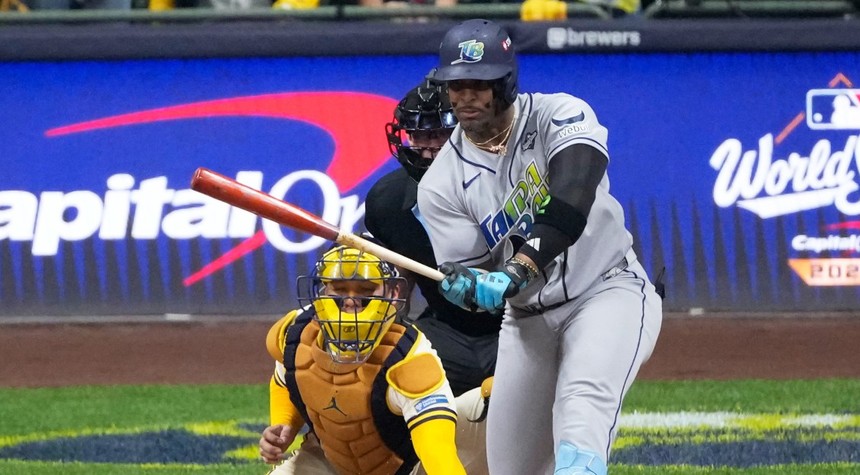
With Milwaukee protecting a 5-4 lead in the top of the ninth inning, Tampa Bay had positioned a runner on third base with two outs. Designated hitter Yandy Díaz stepped to the plate facing a full count against Brewers reliever Aaron Ashby. On what appeared to be ball four, a curveball outside the strike zone, Díaz attempted to hold his swing.
Home plate umpire Jim Wolf initially ruled no swing, which would have loaded the bases and extended Tampa Bay’s hopes. However, Brewers catcher William Contreras immediately appealed to the first base umpire, who overruled the call and declared that Díaz had indeed gone around. The strikeout ended the game and gave Milwaukee a commanding 2-0 series lead.
“In the moment, yeah, I disagreed,” Díaz acknowledged following the loss. “But the umpire said it was a swing and it is what it is.”
Tampa Bay manager Kevin Cash offered a measured response when questioned about the decisive call. “I didn’t go look at it, but from my vantage point, it did look like he swung,” Cash stated.
The controversy highlights a peculiar gap in baseball’s otherwise detailed rulebook. According to the league’s official rules, there exists no concrete definition for what constitutes a checked swing. The rulebook’s closest guidance simply states that a strike includes any pitch that “is struck at by the batter,” leaving the determination entirely to umpire discretion.
Baseball tradition suggests that a batter crosses an imaginary plane when committing to a swing, but no official rule defines where that plane exists. Umpires have long operated on an “I know it when I see it” standard, applying subjective judgment to calls that can determine the outcome of crucial games.
This ambiguity has grown increasingly difficult to defend in an era when technology has revolutionized baseball officiating. Major League Baseball introduced the automated ball-strike system this season, allowing teams to challenge balls and strikes for the first time in the sport’s history. The league also expanded replay review in 2014, granting managers the ability to challenge force plays, tag plays, and various other calls.
Yet checked swings remain conspicuously absent from the list of reviewable plays. Tampa Bay had no recourse to request a second look at the call that ended their season hopes for the evening.
The league has acknowledged this technological blind spot. In 2024, Major League Baseball tested checked-swing challenges during the Arizona Fall League, employing the same Hawk-Eye technology used in the automated strike zone system. Those tests established a 45-degree threshold from home plate as the standard for determining whether a swing had been completed.
The system has since advanced to minor league play, though it has not yet reached the sport’s highest level. Given the stakes involved in postseason competition, particularly in World Series games that can define legacies and shape franchise histories, the absence of such technology at the major league level appears increasingly untenable.
For now, Milwaukee celebrates moving closer to a historic championship, while Tampa Bay must regroup knowing that human judgment, not technology, determined their fate in Game 2. The Brewers will have two opportunities in the coming days to close out the series and claim the title that has eluded them throughout their existence.
Related: Virginia College Party Ends in Emergency Response After Deck Gives Way