
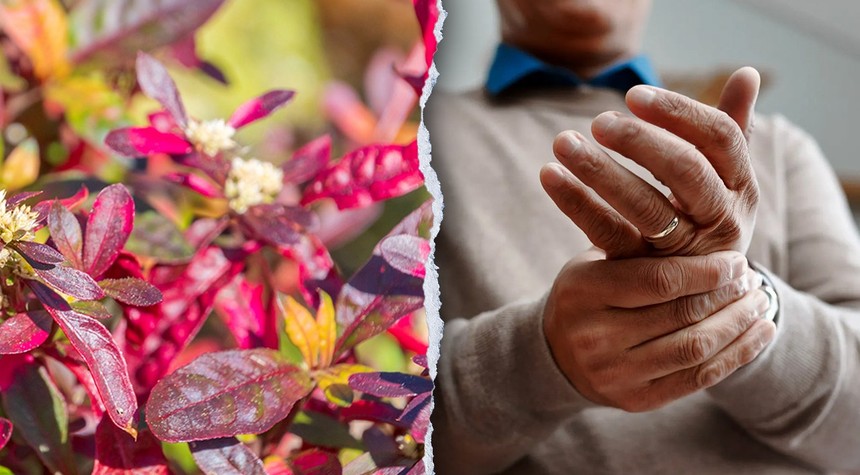
A plant long used in traditional Brazilian medicine has demonstrated genuine scientific merit in treating arthritis and inflammatory conditions, according to new research from several Brazilian universities.
The plant, known as Joseph’s Coat or Alternanthera littoralis, grows naturally along Brazil’s coastal regions. For generations, local communities have relied on it to address inflammation, infections, and parasitic conditions. What sets this apart from countless other folk remedies is that researchers have now provided substantial scientific evidence supporting these traditional uses.
Scientists from the Federal University of Grande Dourados, the State University of Campinas, and São Paulo State University collaborated on the study, publishing their findings in the Journal of Ethnopharmacology. Their research represents the first rigorous scientific examination of both the plant’s effectiveness and its safety profile.
The research team prepared an ethanolic extract from the plant’s stems and leaves, using alcohol to isolate the active compounds. In laboratory models of arthritis, this extract produced measurable results. Visible swelling decreased, joint tissue showed protection from damage, and the doses tested appeared safe for use.
“In the experimental models, we observed reduced edema, improved joint parameters, and modulation of inflammatory mediators, suggesting antioxidant and tissue-protective actions,” stated Arielle Cristina Arena, an associate professor in the Department of Structural and Functional Biology at the Institute of Biosciences at UNESP’s Botucatu Campus.
The extract influenced inflammatory pathways and addressed oxidative stress, a process that damages tissue during chronic inflammation. Laboratory animals treated with the extract displayed less swelling and healthier joint tissue compared to untreated controls. Joints exposed to the extract showed fewer signs of degeneration and maintained better overall health.
Critically, the research team conducted thorough toxicology testing. At the doses examined, the plant extract produced no harmful effects in the laboratory animals, suggesting a favorable safety profile that warrants further investigation.
This development arrives at a significant moment in arthritis treatment. While modern pharmaceutical interventions can prove effective, they frequently carry side effects that limit their viability for long-term use. Patients and physicians alike have sought alternatives that provide relief without the burden of adverse reactions.
The potential here extends beyond simply validating folk wisdom. If subsequent research confirms these initial findings, Joseph’s Coat could serve as a foundation for developing new plant-based anti-inflammatory treatments. Natural compounds with fewer side effects could offer genuine alternatives or complement existing therapies.
The implications reach into broader questions about how modern medicine approaches traditional remedies. For too long, folk medicine has been dismissed without proper investigation. This research demonstrates the value of subjecting traditional practices to rigorous scientific scrutiny rather than dismissing them outright.
The path forward requires additional research, including human trials to confirm the safety and efficacy observed in laboratory settings. The scientific method demands this careful progression. Yet the initial findings provide genuine reason for optimism that this traditional remedy may offer real benefits to those suffering from arthritis and inflammatory conditions.
That is the way it is with scientific progress. Careful, methodical investigation sometimes reveals that ancient wisdom contains kernels of truth worth preserving and developing for modern use.
Related: Erika Kirk Speaks Publicly About Faith Following Husband’s Death
