
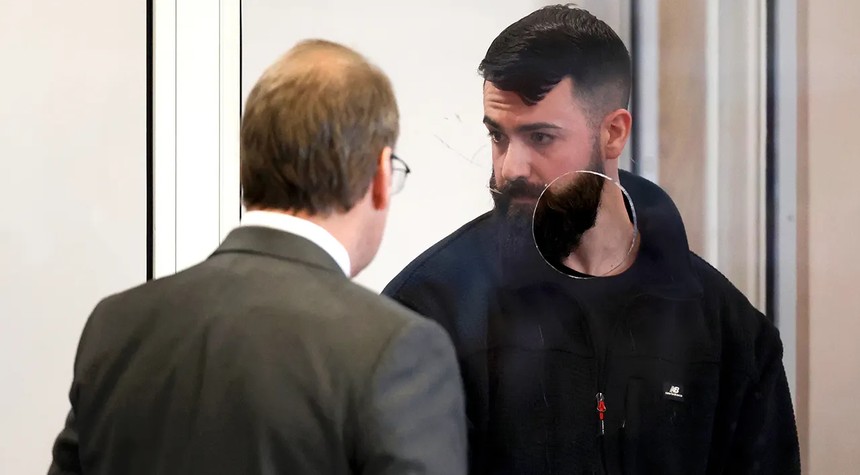
The attorney representing a Boston police officer charged with murder in an on-duty shooting has raised questions about the handling of the case, emphasizing his client’s exemplary service record.
Nicholas O’Malley, a 33-year-old Boston police officer, was arrested on March 19 in connection with the fatal shooting of Stephenson King, 39, which occurred eight days earlier on March 11. The incident stemmed from a carjacking call that brought officers to the scene.
Ken Anderson of the law firm Anderson and Goldman, who is representing O’Malley, stated that his client maintains an impeccable record with the department. “He’s never been disciplined, never reprimanded, no trouble whatsoever,” Anderson said, characterizing the District Attorney’s approach to the case as unusual.
The sequence of events began when a woman sitting in the passenger seat of her idling vehicle placed a 911 call. According to the report, King allegedly assaulted the woman and forcibly removed her from the vehicle before fleeing in it. Police officers, including O’Malley, responded to the emergency call.
The confrontation between O’Malley and King resulted in the officer discharging his weapon, fatally striking the carjacking suspect. The shooting occurred while O’Malley was on duty, responding to what police have characterized as a violent felony in progress.
Body camera footage from the Boston Police Department has been released, though the video shown publicly depicts officers at a separate incident involving Emerson College student protesters. The department has been working to maintain transparency in its operations amid increased scrutiny of police conduct nationwide.
O’Malley appeared for arraignment in Roxbury Municipal Court on March 19, accompanied by his attorney. The charges represent a significant development in a case that has drawn attention to the complex circumstances officers face when responding to violent crimes.
The defense’s assertion that the District Attorney’s handling of the case has been irregular suggests potential disagreement over the charging decision. Such cases often hinge on whether an officer’s use of deadly force was justified under the circumstances, particularly when responding to a violent felony.
The woman who was allegedly assaulted and carjacked has not been publicly identified, and her condition following the assault has not been disclosed. The incident adds to ongoing national discussions about police use of force, though this case involves an officer responding to a violent crime against a civilian rather than a routine encounter.
As the case proceeds through the court system, questions remain about the specific circumstances that led to the shooting and whether prosecutors believe O’Malley’s actions exceeded the bounds of justifiable force. The officer’s previously clean record may factor into both the legal proceedings and public perception of the case.
The matter now rests with the courts to determine whether the shooting was a justified response to a dangerous situation or whether criminal charges against the officer are warranted.
Related: Late Night Host Attacks President Trump Over Remarks Following Mueller’s Passing
