
American financial markets closed lower on Monday as traders confronted a convergence of troubling economic signals, with crude oil prices surging more than 3% and bond yields climbing to levels not seen in nearly two decades.
The S&P 500 declined 0.5% while the technology-heavy Nasdaq Composite fell 0.6%. Brent crude oil, the European benchmark, approached $108 per barrel, a price level not reached since mid-September. Domestic crude oil similarly advanced to nearly $96 per barrel.
The oil market’s ascent briefly paused following reports that international mediators intended to conduct separate discussions with American and Iranian officials regarding the ongoing conflict with Iran. However, Iran’s semi-official ISNA news agency quickly tempered expectations, stating that while Iranian Foreign Minister Abbas Araghchi would participate in talks with mediators, no American representatives would attend.
The diplomatic developments followed weekend remarks from President Donald Trump, who confirmed he had rejected a recent Iranian proposal to reopen the Strait of Hormuz. This critical waterway served as a vital passage for energy supplies before hostilities began.
“They want to make a deal, and I think that’s fine,” Trump told reporters in Washington. “I like making a deal too, but that deal would not be acceptable.”
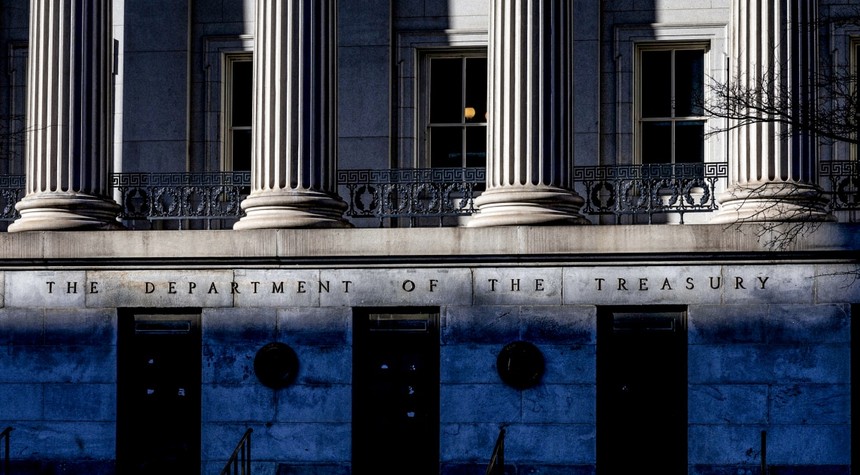
The respite in oil’s rally proved temporary. By mid-morning trading, bond markets signaled deeper concerns about the economic trajectory. The 10-year U.S. Treasury yield climbed to 5.27%, marking its highest point since mid-June 2007. The 30-year bond reached levels not witnessed since May 2004, while a broad range of Treasury securities traded above 5%. The 2-year Treasury, traditionally viewed as an indicator of market expectations for central bank policy, achieved its highest level since 2024.
These developments have intensified concerns among market observers. Ed Yardeni, president of Yardeni Research and a veteran market analyst, addressed the situation in weekend commentary.
“The significant increase in oil prices so far this year hasn’t knocked the wind out of the global economy’s sails,” Yardeni wrote. “The question is whether rapidly rising interest rates will do so.”
He added a cautionary note regarding fiscal policy: “Unfortunately, these higher rates also exacerbate the outlook for large government deficits worldwide.”
Despite these headwinds, equity markets have demonstrated considerable resilience. Analysts at Goldman Sachs attribute this stability to relatively stable financial conditions since January, noting that “the substantial rise in interest rates has been nearly offset by the effects of higher equity prices.”
However, this surface-level strength conceals underlying vulnerabilities. The market’s gains this year have concentrated in a narrow band of sectors, raising questions about the sustainability of the rally.
The S&P 500 has advanced slightly more than 12% year-to-date, but the composition of those gains tells a more complex story. The information technology sector has surged 28% while energy stocks have gained 38%. This concentration in just two sectors suggests the broader market lacks the widespread participation typically associated with durable bull markets.
As these crosscurrents continue to shape market behavior, investors find themselves navigating an increasingly complicated landscape where geopolitical instability, inflationary pressures from energy costs, and the highest interest rates in a generation compete for influence over asset prices.
The coming weeks will test whether the resilience displayed by equities can withstand the mounting pressure from these intersecting challenges.
Related: Trump Administration Demands Accounting of Hospital Residency Positions Granted to Foreign Workers