
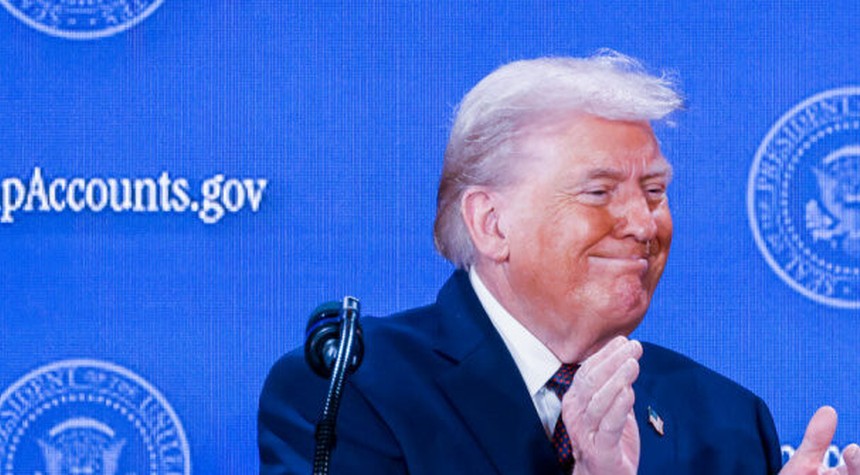
WASHINGTON — In what Treasury Secretary Scott Bessent characterizes as potentially the most significant and lasting achievement of the Trump administration, the President has launched an ambitious program to provide every American child born over the next four years with a government-funded investment account.
Speaking at the Trump Accounts summit held at the Mellon Auditorium in downtown Washington on Wednesday, Bessent outlined the administration’s vision for addressing what he described as a fundamental inequity in American economic participation.
The program operates on a straightforward premise. Each child born between January 1 of this year and the conclusion of President Trump’s term will receive a one-thousand-dollar investment placed into an index fund. These funds will remain untouchable until the beneficiary reaches age eighteen. At that point, account holders may either access the funds or convert them into retirement accounts, allowing the investments to grow until age sixty-five.
“Thirty-eight percent of Americans have no exposure to the equity markets,” Bessent explained. “You can see why there is a generation of disenchanted folks who aren’t part of our great innovation economy, the American economic engine.”
The Treasury Secretary positioned this initiative within the broader context of Trump’s presidential achievements, which include various trade agreements, tax reforms, and diplomatic peace accords. While acknowledging the significance of these accomplishments, particularly the peace agreements, Bessent suggested the Trump Accounts may ultimately prove more transformative for everyday Americans.
The program addresses a persistent challenge in American economic life. Despite decades of stock market growth that has generated substantial wealth for investors, more than one-third of Americans remain entirely disconnected from these gains. This divide has contributed to growing economic anxiety and resentment, particularly among younger Americans who have watched asset values climb while their own financial prospects have seemed to stagnate.
By automatically enrolling every newborn in the equity markets, the administration aims to ensure that future generations begin their economic lives as stakeholders in American prosperity. The compound growth potential over eighteen to sixty-five years could indeed prove substantial, particularly if historical market returns continue.
Bessent emphasized the generational implications of the program. “President Trump, through this visionary plan, is going to change it,” he said, referring to the wealth gap between market participants and those excluded from equity ownership.
The initiative represents a notable expansion of government involvement in personal finance, though one designed to promote private market participation rather than direct government provision. Whether it proves to be Trump’s most enduring legacy, as Bessent suggests, will depend on its implementation, longevity through future administrations, and ultimate impact on the economic trajectories of millions of American children.
And that is the way it is.
Related: Death of Canadian Backpacker Prompts Controversial Wildlife Response on K’gari Island
