
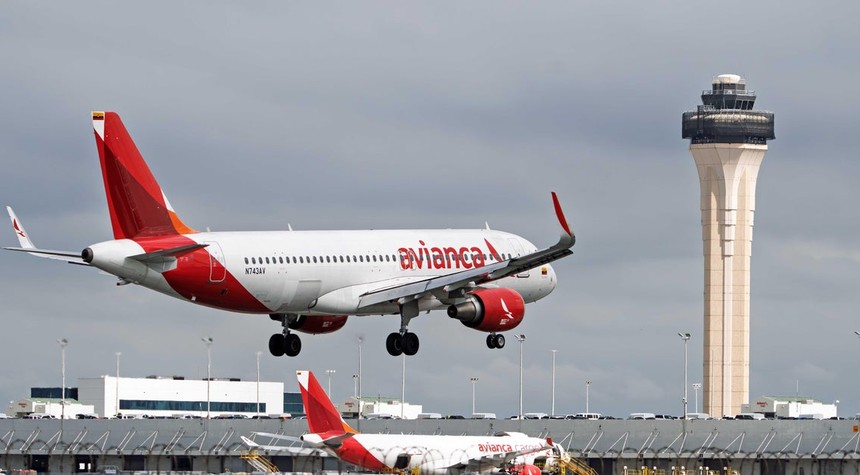
Nine people were injured early Friday morning when an international flight encountered severe turbulence, forcing an emergency diversion to Miami International Airport in the predawn hours.
Avianca Flight 42, traveling from Medellín, Colombia, to John F. Kennedy International Airport in New York City, landed safely at Miami International Airport at approximately 3:30 a.m. following the incident. According to airline officials, the injured include three crew members and six passengers.
Miami-Dade Fire Rescue reported that eight individuals required hospital transport, with one passenger needing treatment at a trauma center. The discrepancy in the number of injured persons between fire rescue and airline officials has not been explained, though such variations are common in the immediate aftermath of aviation emergencies.
A passenger traveling through Miami International Airport at the time of the diversion witnessed the emergency response unfold. Maria Paula Jimenez observed multiple ambulances positioned near the aircraft’s arrival gate, their emergency lights activated in anticipation of the incoming flight.
“When we landed, we saw that very close to where we were going to disembark, there were more than five or six ambulances. Seven of them with their lights on as if they were waiting for something,” Jimenez stated. “When we arrived, it was not normal.”
The extent and nature of the injuries sustained during the turbulence event remain undisclosed at this time. Medical privacy regulations typically prevent immediate release of such information unless victims or their families choose to make statements.
Avianca officials confirmed that the airline’s airport team assisted remaining uninjured passengers with making necessary arrangements to continue their journey to New York City. Such accommodations typically include rebooking on subsequent flights and providing meal vouchers or temporary lodging if delays extend beyond several hours.
The Federal Aviation Administration has announced it will conduct an investigation into the incident. Such investigations are standard protocol following any aviation event requiring emergency medical response. Investigators will examine weather conditions, flight data recorder information, and cockpit voice recordings to determine the circumstances that led to the severe turbulence encounter.
Turbulence-related injuries, while relatively uncommon, remain one of the leading causes of passenger and crew injuries aboard commercial aircraft. Aviation safety experts consistently recommend that passengers keep their seatbelts fastened throughout flights, even when the seatbelt sign is not illuminated, as severe turbulence can occur with little or no warning.
The investigation’s findings will likely take several weeks to compile as federal officials review all available data and interview crew members and passengers about the incident.
Related: Federal Immigration Agents Defend Shooting of Suspect with Child Present in Vehicle
