
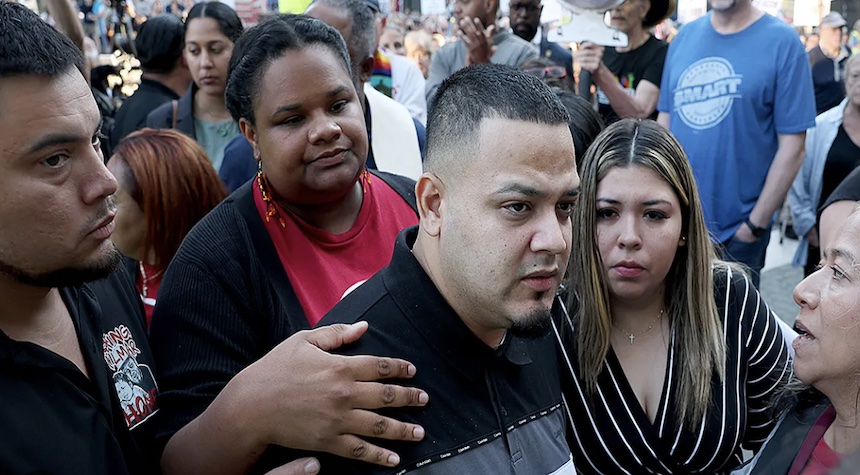
A U.S. immigration judge in Baltimore has denied asylum to Kilmar Abrego Garcia, a Salvadoran national whose case has become emblematic of the ongoing debate over American immigration policy.
Abrego Garcia, who entered the United States illegally as a teenager, has resided in Maryland for several years with his American wife and children. In 2019, he was arrested by immigration authorities and sought asylum. While his initial request was denied due to the length of his stay in the country, he was granted protection from deportation to El Salvador due to credible threats to his safety.
In March of this year, Abrego Garcia was mistakenly deported to El Salvador during the previous administration’s tenure. Reports indicate he was held in a prison facility known for harsh conditions. Following a Supreme Court ruling, he was returned to the United States in June, only to face immediate charges of human smuggling.

Abrego Garcia now faces criminal charges in Tennessee stemming from a 2022 traffic stop. Simultaneously, U.S. Immigration and Customs Enforcement is pursuing his deportation to a third country, with Uganda and Eswatini being proposed as potential destinations.
The significance becomes clear when we consider the implications of Abrego Garcia’s request to reopen his asylum case. If granted, it could provide a path to permanent residency and citizenship. However, a denial could potentially strip him of his current protections against deportation to El Salvador.
We Think You’ll Like: Oklahoma’s ICE Crackdown Nabs 120, Stitt Slams ‘Open Border Catastrophe’ Under Biden
Administration officials have characterized Abrego Garcia as a member of the MS-13 gang, though it should be noted that he has not been convicted of any crimes. His attorneys, conversely, argue that the criminal charges and deportation efforts are retaliatory measures for his opposition to administration policies.
This raises important questions about the intersection of immigration policy, due process, and international law. As the case continues to unfold, it will likely remain a focal point in the broader national conversation on immigration reform.
