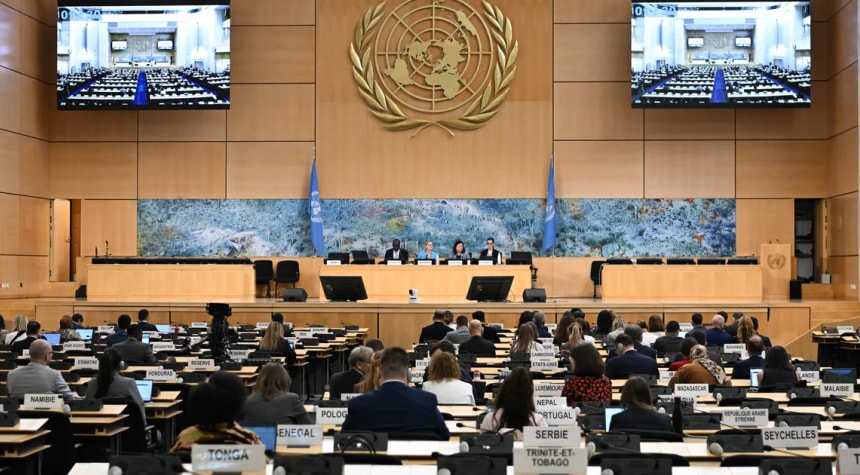
The United States this week became the first country to completely decline participation in a mandatory review of its human rights record at the United Nations Human Rights Council since the body’s establishment two decades ago.
The Trump administration withdrew from the Geneva-based Human Rights Council last year, citing what it characterized as persistent anti-American and anti-Israel bias within the organization. Administration officials have maintained that the council fails to uphold the very principles it claims to champion.
The council conducts what it calls a universal periodic review of all one hundred ninety-three United Nations member states, typically every four to five years. This process is designed to examine each nation’s human rights record through presentations, questioning, and recommendations from other member states. The United States had already declined to participate in its scheduled review one year ago. Officials delayed Tuesday’s rescheduled review in the hope that the American government might reconsider its position. That reconsideration did not occur.
A State Department spokesperson provided a clear statement of the administration’s position. The spokesperson said the United States gives no credibility to the agency, characterizing it as an irredeemable body that makes a mockery of human rights through its consistent failures to uphold its own stated values while advancing anti-American rhetoric. The administration has pointed specifically to what it describes as the council’s persistent failure to condemn the most egregious human rights violators around the world.
According to council procedures, these reviews require the participation of the country under examination. Without national representatives present, the review cannot proceed.
The administration’s critics have raised concerns that this precedent could encourage other nations to similarly avoid international scrutiny of their human rights practices. Many countries have historically bristled at intensive monitoring by international human rights observers.
The United States has faced international criticism for certain policies, including deportation practices and targeted operations against alleged drug traffickers in the Caribbean and Pacific regions. The administration has defended these actions as necessary measures to protect American workers and maintain national security.
Some observers worry about broader implications for international human rights accountability. One former council official noted that when the predominant global power, which has historically claimed adherence to human rights norms, refuses to participate without justification, the credibility of the entire review system faces serious questions.
Civil liberties organizations have called on United Nations human rights officials to present an independent update on the American rights record early next year, despite the administration’s refusal to participate in the formal review process.
The situation represents an unprecedented challenge to the universal periodic review mechanism, which has operated without similar refusals since its inception. Whether other nations will follow the American example remains to be seen, but the concern among international human rights advocates is evident. The fundamental question now facing the Human Rights Council is how it maintains its legitimacy and effectiveness when the world’s most powerful democracy declines to participate in its procedures.
Related: Massachusetts Cardiologist Found Dead After Disappearing During Weekend Bike Ride