
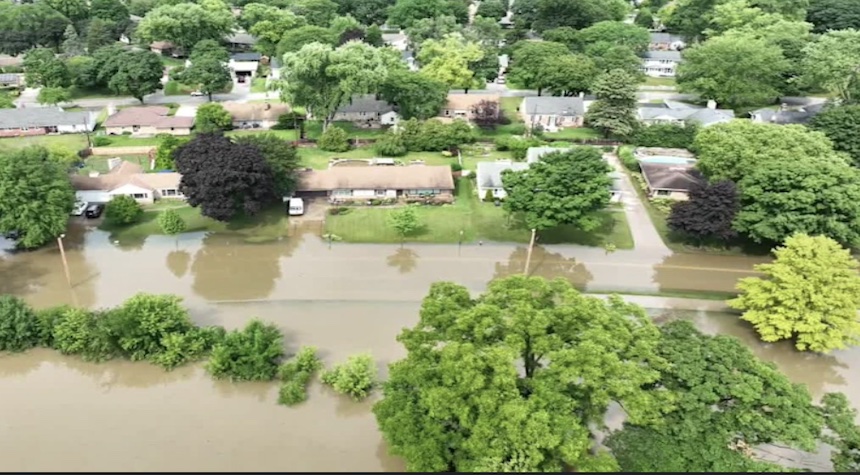
A potentially catastrophic flooding situation is developing near the state capital of Juneau, Alaska. Governor Mike Dunleavy has issued a state disaster declaration in response to what experts are calling an imminent “glacial outburst” from the Mendenhall Glacier region.
The Suicide Basin, a side basin of the Mendenhall Glacier, has accumulated water to levels matching or exceeding those observed during previous record-setting flood events. According to reliable sources at the National Weather Service and U.S. Geological Survey, this water could be released at any moment, threatening the Mendenhall River and surrounding neighborhoods in the Mendenhall Valley.
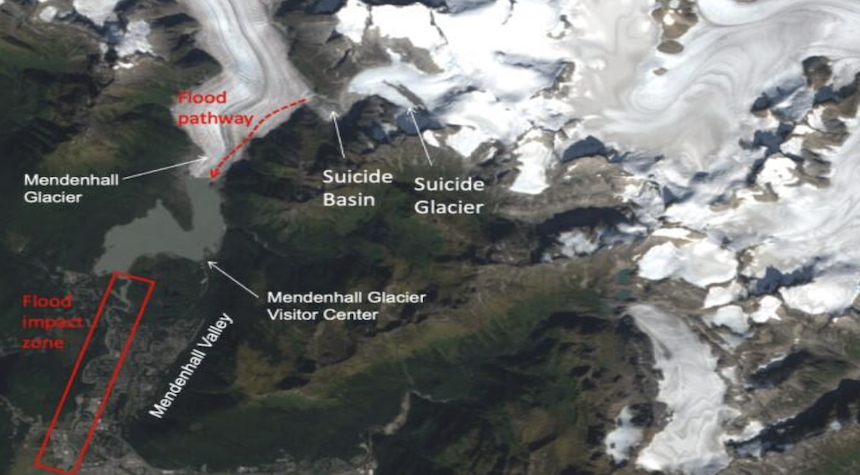
This would mark the third consecutive year of serious glacier-related flooding in Juneau. The National Weather Service Juneau office reports that the basin is full and continues to overflow, with a release possible at any point this week. Local authorities, including the city and borough of Juneau and two local Indian tribes, have already issued joint disaster declarations.
A similar glacial lake outburst flood just one year ago caused widespread damage to homes, public infrastructure, and utilities, prompting both state and federal disaster declarations. The evidence suggests that these events are becoming more frequent and severe.

This raises important questions about the long-term habitability of certain areas and the effectiveness of current flood mitigation strategies. Reports indicate that Juneau and the Army Corps of Engineers have installed more than two miles of flood control barriers along the river in an attempt to curb the impact of future flooding.
The significance of this situation should not be overlooked. As climate patterns continue to shift, events like these may become more common, not just in Alaska but in glacial regions around the world. This development follows earlier reports of accelerating glacial melt in many parts of the globe.
