
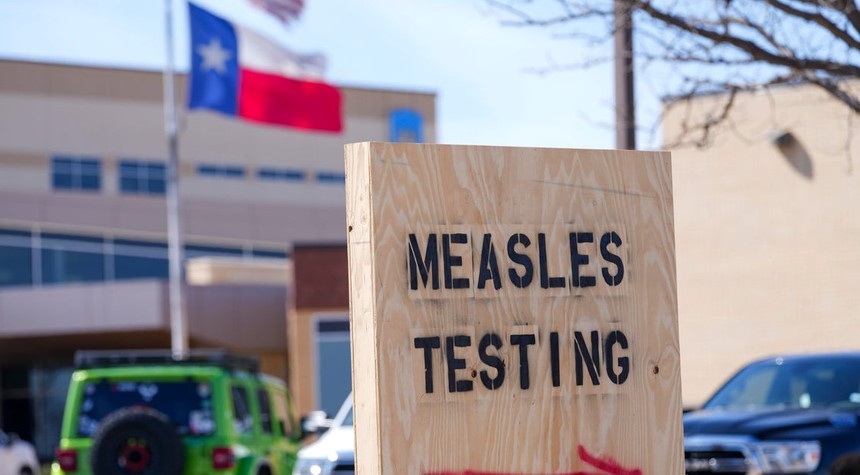
The United States is confronting its most severe measles outbreak in more than thirty years, with the number of confirmed cases reaching a troubling milestone that demands the attention of public health officials and concerned parents alike.
By mid-July of this year, the nation had already recorded more measles cases than in all of 2025, which itself represented the worst year in recent memory with over 2,200 confirmed cases. The situation has continued to deteriorate, with the total number of cases exceeding 4,000 by August, according to data from the Centers for Disease Control and Prevention.
This escalation places the United States at genuine risk of losing its official measles elimination status, a designation it has maintained since the year 2000. The human toll of this outbreak includes two confirmed deaths, both occurring in Lancaster County, Pennsylvania. State health officials reported these as the first measles-related fatalities in Pennsylvania in 35 years. Significantly, both individuals had not received vaccination against the virus.
The facts about measles bear repeating. This disease ranks among the most contagious infectious diseases known to medical science. While many cases resolve without lasting harm, measles can produce severe infections in the lungs and brain, potentially resulting in cognitive impairment, deafness, or death. Medical research has conclusively demonstrated that vaccination provides safe and highly effective prevention against this disease.
The pattern of these outbreaks reveals a clear correlation with declining vaccination rates across the country. The vast majority of confirmed cases have occurred in unvaccinated individuals, with outbreaks spreading most rapidly through communities where vaccination rates have fallen below optimal levels.
CDC data indicates that approximately 92.4 percent of kindergartners received their measles-mumps-rubella vaccinations during the 2025-2026 school year, a slight decrease from 92.5 percent the previous year. More concerning is the broader trend: this figure has declined from 95.2 percent during the 2019-2020 school year. That 95 percent threshold represents the critical level necessary to maintain community immunity, often referred to as herd immunity. Last year, only ten states achieved this target.
Dr. Jay Bhattacharya, director of the National Institutes of Health, has emphasized the importance of standard childhood vaccinations. The scientific evidence on vaccine safety remains clear and consistent. Research has found no evidence linking vaccination to increased rates of autism, despite persistent claims to the contrary. Vaccines undergo intensive safety testing before approval and continued monitoring thereafter.
The 2025 outbreak that contributed more than 750 cases originated in West Texas and claimed the lives of two children. Prior to last year, the highest recent case count occurred in 2019, when 1,274 cases were confirmed, driven primarily by outbreaks in New York, California, and Washington state. In most years, the total remained substantially lower.
The current situation represents a measurable retreat from the public health gains achieved over previous decades. The question facing parents and policymakers is whether this trend will continue or whether renewed emphasis on vaccination will restore the protections that have kept American children safe from this preventable disease for a generation.
Related: Streaming Platform Employs Advanced Technology to Tell Houdini Story in His Own Words
