
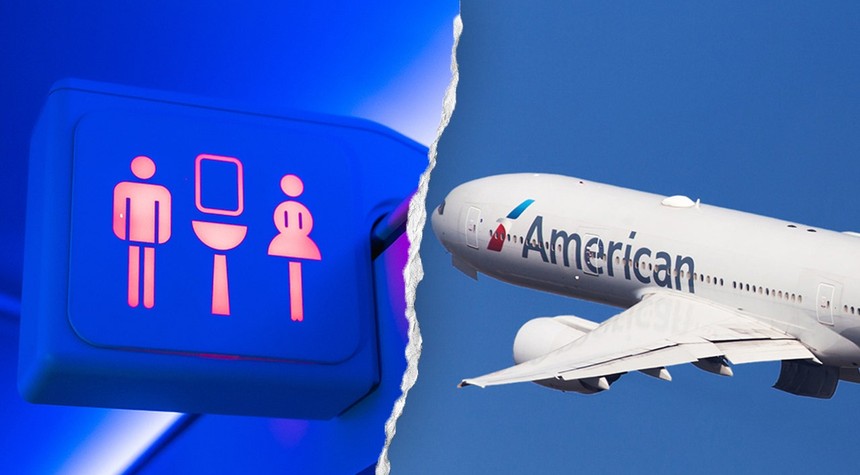
An American Airlines transatlantic flight carrying passengers from Madrid to Dallas was forced to make an unscheduled landing at John F. Kennedy International Airport on October 6 after six of the aircraft’s eight lavatories ceased functioning mid-flight.
Flight 37 departed Madrid bound for Dallas Fort Worth International Airport when the crew discovered that three quarters of the aircraft’s restroom facilities had become inoperative, leaving only two lavatories available for what would have been the remainder of the journey across the Atlantic Ocean.
An airline spokesperson confirmed the diversion, stating that the aircraft experienced “an issue with the aircraft’s lavatories” which necessitated the change in flight plan. The spokesperson provided no additional details regarding the nature of the malfunction or how many passengers were aboard the affected flight.
Communications between the flight crew and air traffic controllers, captured by a website that monitors aviation radio transmissions, revealed the scope of the problem. When air traffic control personnel inquired about the reason for the diversion request, the pilot confirmed that only two restroom facilities remained operational.
The incident represents the latest in a series of in-flight complications that have affected major American carriers in recent months. While mechanical issues are not uncommon in commercial aviation, the failure of multiple redundant systems designed to provide basic passenger amenities raises questions about aircraft maintenance protocols and pre-flight inspection procedures.
Former commercial pilots who have flown similar aircraft note that lavatory systems, while not classified as critical flight safety equipment in the same category as pressurization or engine systems, can create significant passenger discomfort and health concerns on long-haul international flights. The decision to divert rather than continue to the intended destination reflects both regulatory requirements and practical considerations regarding passenger welfare during extended flights.
The diversion to Kennedy Airport, while adding considerable time and inconvenience to passengers’ travel plans, allowed the airline to address the mechanical failure and arrange alternative transportation or aircraft for those bound for Dallas. American Airlines has not disclosed whether passengers received compensation for the disruption or how long repairs to the affected aircraft required.
This incident occurred just days before another aviation event that drew attention to in-flight health and safety concerns, when seven flight attendants on a separate carrier reported illness due to an unexplained odor aboard their aircraft, an incident currently under investigation by federal authorities.
The airline industry continues to face scrutiny regarding maintenance standards and operational reliability as travel demand has surged following pandemic-related restrictions. While modern commercial aircraft incorporate extensive redundancy in critical systems, the failure of multiple lavatories on a single flight demonstrates that even non-essential equipment malfunctions can significantly impact flight operations and passenger experience.
American Airlines has not indicated whether the lavatory failures stemmed from a common cause or represented separate mechanical issues, nor has the carrier disclosed the age or maintenance history of the affected aircraft.
Related: Fort Hood Survivor Prepares to Witness Execution of Nidal Hasan After 15 Years
