
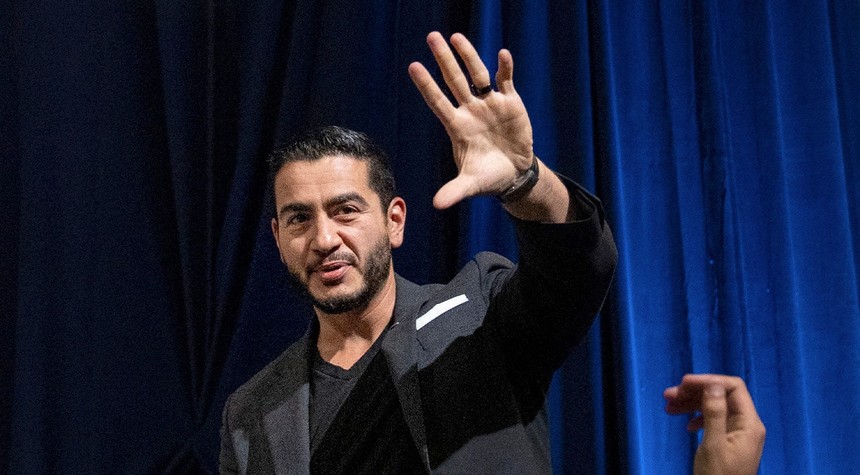
Michigan Democratic Senate candidate Abdul El-Sayed has called for the nation to confront what he termed “unpaid debts” owed to Black communities, stating that political leaders bear responsibility to acknowledge and address these obligations.
El-Sayed, who faces Republican nominee and former Representative Mike Rogers in one of this election cycle’s most competitive Senate races, made these remarks during a Saturday meeting with women faith leaders in Detroit. The event was hosted by the Woman Difference Collaborative.
“When it comes to black communities in Michigan, when it comes to black communities in America, there are unpaid debts that have long since come due that we are unwilling to acknowledge, let alone pay down,” El-Sayed stated. “And I understand that we need leaders who are going to understand those debts and address them.”
The candidate’s comments came in response to questions regarding his strategy for energizing Democratic voters who did not support him during the primary election. El-Sayed indicated his approach centers on consistent engagement with voters and emphasizing his professional record in public service.
“But the question for me is, within my power have I done my best?” El-Sayed said. “And I will challenge people to look at my history and say, ‘Yeah, that man hasn’t done everything he could around the problems he says he cares about.'”
During his response, El-Sayed referenced his work addressing infant and maternal mortality rates, childhood asthma, and lead exposure. He further advocated for expanding capital access for small businesses and increasing investment in housing and educational facilities.
El-Sayed previously served as Wayne County health director and mounted an unsuccessful gubernatorial campaign in 2018 before entering this year’s Senate race. His opponent, Mike Rogers, brings congressional experience to the contest as a former United States Representative.
The Detroit gathering also addressed El-Sayed’s public health record, United States aid policy toward Israel, his endorsement of former Vice President Kamala Harris in the 2024 presidential election, campaign advertisements from the Rogers campaign, and criminal justice reform issues.
The Michigan Senate race represents a crucial battleground contest that could determine which party controls the upper chamber. Both campaigns have drawn national attention and significant financial resources as November approaches.
The question of reparations and addressing historical racial inequities remains a divisive issue in American politics. Advocates argue that systemic injustices require deliberate policy interventions, while critics contend such approaches prove impractical or constitute reverse discrimination.
As this race enters its final stretch, Michigan voters will decide between El-Sayed’s progressive vision and Rogers’ more traditional Republican platform. The outcome will likely reflect broader national trends regarding racial justice policies and economic priorities.
That is the situation as it stands in Michigan’s closely contested Senate race.
Related: Voters Express Doubts Over Feasibility of President’s Midterm Cash Payment Proposal
