
Senator Jim Justice has accomplished what many considered improbable in today’s Senate: securing unanimous passage of legislation in an institution he describes as plagued by dysfunction and partisan acrimony.
The West Virginia Republican detailed in a recent interview how personal persistence and direct dialogue enabled passage of the Williams National Medal of Honor Monument Location Act, which designates a prominent site on the National Mall for a monument honoring the late Hershel “Woody” Williams and all Medal of Honor recipients.
Justice expressed deep concern about the state of deliberation in the upper chamber. He characterized the partisan divide as unprecedented in his experience, noting the absence of basic civil discourse between members. The senator questioned why colleagues fail to engage in meaningful conversation and demonstrate mutual respect, suggesting such behavior undermines the institution’s fundamental purpose.
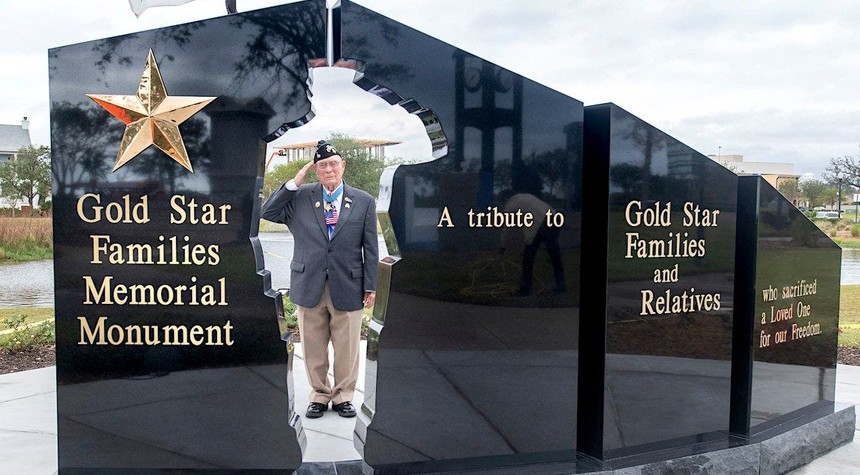
The legislation represents Justice’s first successful bill as a senator and serves as a tribute to his late friend Williams, a West Virginia native who received the Medal of Honor for extraordinary heroism during the Battle of Iwo Jima. Williams, who passed away in 2022 at age 98, was the last surviving World War II Medal of Honor recipient.
The monument will bear Williams’ name while commemorating all Medal of Honor recipients, both living and deceased. The Reserve on the National Mall will provide the memorial’s location, ensuring prominent recognition of their service and sacrifice.
The bill’s journey through Congress demonstrated the difficulties facing even noncontroversial legislation in the current environment. Justice acknowledged the measure faced rejection at one point but credited his refusal to abandon the effort. His approach relied on what he termed “good, old-fashioned dialogue,” engaging directly with colleagues to address concerns and build support.
The Senate approved the measure unanimously in March. The House of Representatives followed suit on August 31, completing congressional action. The legislation now awaits President Trump’s signature, which Justice anticipates will occur shortly.
Justice expressed pride in the accomplishment while emphasizing the monument’s significance extends beyond any single individual. He stressed that Medal of Honor recipients represent the highest ideals of military service and deserve recognition commensurate with their sacrifices.
The senator’s success offers a modest counterpoint to the prevailing narrative of Washington paralysis. His willingness to engage across party lines and maintain focus on the objective demonstrates that legislative achievement remains possible when members prioritize substance over partisan positioning.
Whether this example portends broader cooperation or represents an isolated exception remains uncertain. Justice’s criticism of Senate dysfunction suggests he harbors no illusions about the institution’s current state. His comments reflect frustration shared by many observers who recall when comity and collaboration characterized Senate operations more consistently.
The pending monument will serve as a lasting tribute to Williams and his fellow Medal of Honor recipients. For Justice, it represents both a personal victory in honoring his friend and a professional milestone in navigating the Senate’s treacherous political waters.
As the legislation awaits final presidential approval, it stands as evidence that determined effort and direct communication can still produce results, even in an environment many describe as fundamentally broken.
Related: Andrew Garfield Faces Criticism After Anti-Billionaire Comments at Film Screening
