
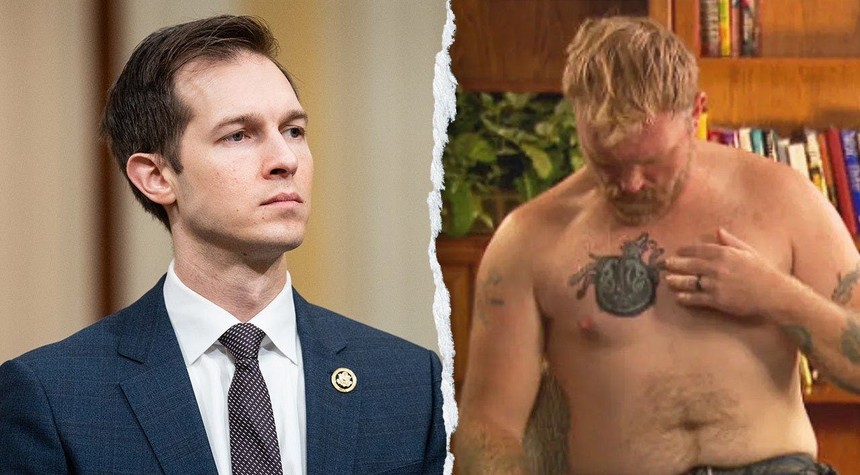
Massachusetts Representative Jake Auchincloss delivered an unusual public rebuke of a fellow Democrat on Monday, stating that Maine Senate candidate Graham Platner should be disqualified from consideration due to a Nazi-linked tattoo the candidate has worn for most of his adult life.
“I find that tattoo and his commentary about it to be personally disqualifying,” Auchincloss stated in an interview. “I hope Maine voters agree with me.”
The Massachusetts lawmaker went further, suggesting that Platner’s candidacy represents a problematic direction for the Democratic Party as a whole. “I think it would be a mistake for the Democratic Party to think that Graham Platner’s brand of the Democratic Party is what wins us durable majorities throughout this country,” Auchincloss said.
Platner, who has emerged as the Democratic Party’s presumptive nominee in what is expected to be a competitive Senate race in Maine, has faced mounting scrutiny for months over the controversial chest tattoo. According to available information, Platner first received the tattoo while stationed in Croatia during military service.
The intraparty criticism from Auchincloss marks a significant departure from the typical party unity that Democrats have maintained during election cycles. For a sitting congressman to publicly declare a party nominee disqualified represents an extraordinary breach of political protocol, particularly in a battleground state where Democrats need every advantage to maintain or expand their Senate presence.
The controversy raises important questions about candidate vetting processes within party establishments and the standards to which political candidates should be held. While the specifics of Platner’s explanations for the tattoo remain a subject of debate, Auchincloss has made clear that whatever justification has been offered falls short of acceptability in his view.
Maine voters will ultimately render their judgment on whether this controversy should determine Platner’s fitness for office. The state has demonstrated independent political tendencies in recent election cycles, and this situation may test whether party loyalty or personal character concerns carry more weight with the electorate.
The timing of Auchincloss’s statement, coming well into the election cycle with Platner as the presumptive nominee, also raises questions about when party leaders became aware of the issue and whether earlier intervention might have prevented this predicament. The Democratic Party now faces the uncomfortable position of having a nominee under fire from within its own ranks over imagery associated with one of history’s most abhorrent regimes.
As this situation continues to develop, it serves as a reminder that in an age of increased scrutiny and rapid information dissemination, candidates’ past choices and present explanations face unprecedented examination. The outcome in Maine may well influence how both parties approach candidate selection and vetting in future election cycles.
Related: Illegal Immigrant Among Three Teens Charged in Austin Shooting Spree
