
A seventy-five-year-old American businessman and experienced hunter died last Friday after an encounter with a group of elephants in the central African nation of Gabon.
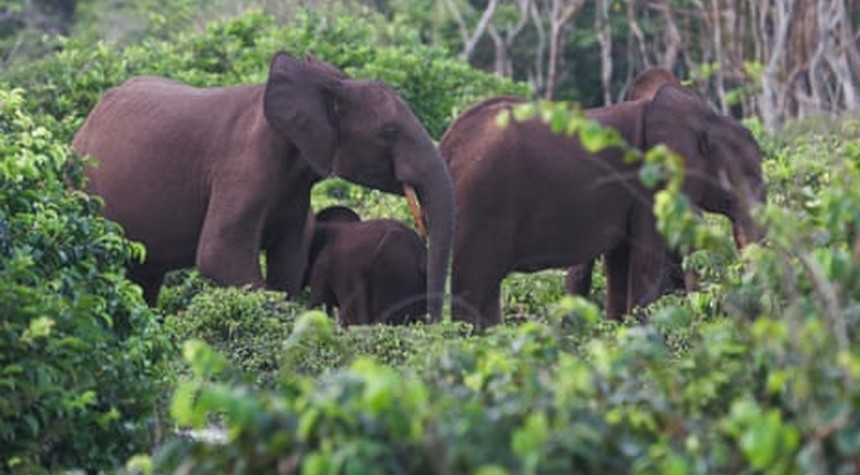
Ernie Dosio, owner of Pacific AgriLands Inc., was hunting yellow-backed duiker, a species of antelope, in the Lope-Okanda rainforest when he and his professional guide unexpectedly encountered five female elephants traveling with a calf. The animals attacked, killing Dosio and seriously injuring his guide.
Dosio, originally from Lodi, California, had built his company into a substantial agricultural operation managing twelve thousand acres of vineyard land in Modesto while also providing services and equipment financing to wine producers throughout the region.
An accomplished hunter, Dosio had pursued game across Africa and the United States for decades and was well known within the Sacramento Safari Club. His collection of hunting trophies included various species obtained through licensed expeditions.
A retired hunter acquainted with Dosio emphasized the legal nature of these pursuits. “Ernie has been hunting since he could hold a rifle and has many trophies from Africa and the US,” the individual stated. “Although many disagree with big-game hunting, all Ernie’s hunts were strictly licensed and above board and were registered as conservation in culling animal numbers.”
The safari operator, Collect Africa, confirmed the death of its client. Sources familiar with the incident described the elephants as having been surprised by the sudden presence of Dosio and his guide in their path.
Gabon’s dense forests provide habitat for approximately ninety-five thousand forest elephants, representing the majority of this highly endangered species’ global population. The central African nation has worked to balance conservation efforts with regulated hunting activities.
United States embassy officials in Gabon are now coordinating the return of Dosio’s remains to California.
The trophy hunting industry remains a subject of considerable debate. Proponents argue that regulated hunting generates revenue for conservation programs and helps manage wildlife populations in accordance with scientific guidelines. Critics contend that the practice is ethically questionable regardless of its legal status.
Legal hunting expeditions in Africa attract wealthy clients from around the world, with the industry generating substantial revenue. In South Africa alone, estimates place the trophy hunting industry’s value at approximately one hundred million dollars.
The incident serves as a stark reminder of the inherent dangers present when humans venture into wilderness areas inhabited by large, potentially dangerous wildlife. Forest elephants, though smaller than their savanna counterparts, remain formidable animals capable of defending themselves and their young when they perceive threats.
This tragedy underscores the unpredictable nature of wildlife encounters, even for experienced hunters operating under professional guidance in legal hunting concessions.
Related: Tornado Strikes Enid, Oklahoma, Forcing Air Force Base Closure
