
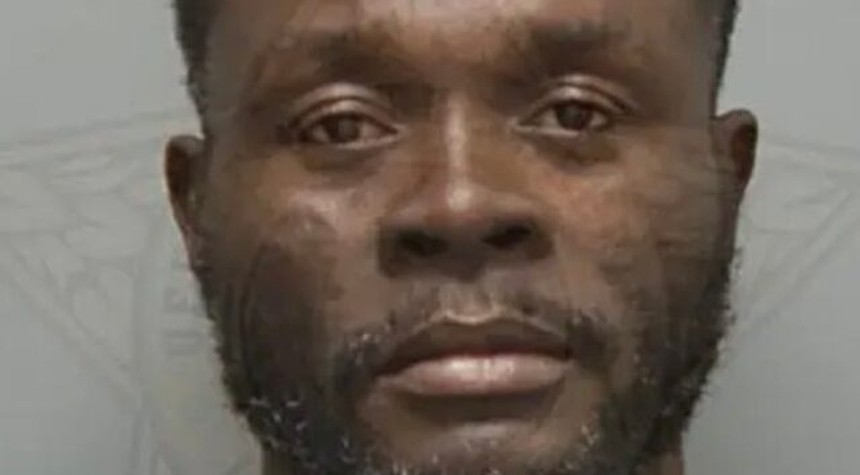
President Donald Trump shared graphic video footage Thursday evening depicting the murder of an American woman, allegedly committed by a Haitian migrant residing in the United States under Temporary Protected Status granted during the previous administration.
The President posted the disturbing content to his social media platform with a warning about its violent nature, stating he felt obligated to make the public aware of what he characterized as consequences of current immigration policies. The victim’s death, Trump argued, exemplifies the urgent need for immigration reform and an end to what he termed an abused protection program.
The suspect, identified as Rolbert Joachin, had been permitted to remain in the country under provisions of the Temporary Protected Status program. This designation, established to provide humanitarian relief to foreign nationals from countries experiencing armed conflict, natural disasters, or other extraordinary conditions, has been extended to Haitian nationals by previous administrations.
The current administration has moved to terminate TPS designations for certain countries, arguing the program has strayed from its original humanitarian intent. However, these efforts have encountered resistance in federal courts, where district judges have issued rulings blocking the termination of protections in several cases.
Trump directed pointed criticism at what he called “Deranged Liberal District Court Judges” for impeding his administration’s immigration enforcement priorities. The President suggested this single case should compel judicial authorities to reconsider their injunctions against his immigration policies.
The graphic nature of the video has prompted debate about the appropriateness of sharing such content publicly. The President defended his decision, stating Americans deserve to understand the real-world implications of immigration policy decisions. Multiple news organizations have declined to broadcast or publish the footage due to its violent content.
This incident adds to a growing catalog of crimes committed by individuals in the country illegally. According to data compiled by immigration enforcement advocates, more than 1,200 Americans have been killed by illegal migrants in recent years, though comprehensive federal statistics on crimes committed by immigration status remain incomplete and contested.
The Temporary Protected Status program has become a flashpoint in broader immigration debates. Supporters argue it provides necessary humanitarian protection to vulnerable populations fleeing dangerous conditions. Critics contend the program has evolved into a backdoor immigration channel, with protections extended indefinitely beyond their intended temporary duration.
The administration has made reforming or eliminating TPS a priority, alongside broader efforts to enhance border security and interior enforcement. These initiatives have consistently faced legal challenges in federal courts, creating ongoing tension between executive branch immigration priorities and judicial oversight.
The case is expected to proceed through the criminal justice system, with the President pledging swift and severe consequences for the accused. The incident has reignited national conversation about immigration policy, border security, and the balance between humanitarian protection and public safety concerns.
As this matter develops, it underscores the complex intersection of immigration law, judicial authority, and executive power that continues to define one of the most contentious policy areas in American politics.
Related: Florida Woman Who Treated 4,400 Patients Without License Avoids Jail Time
