
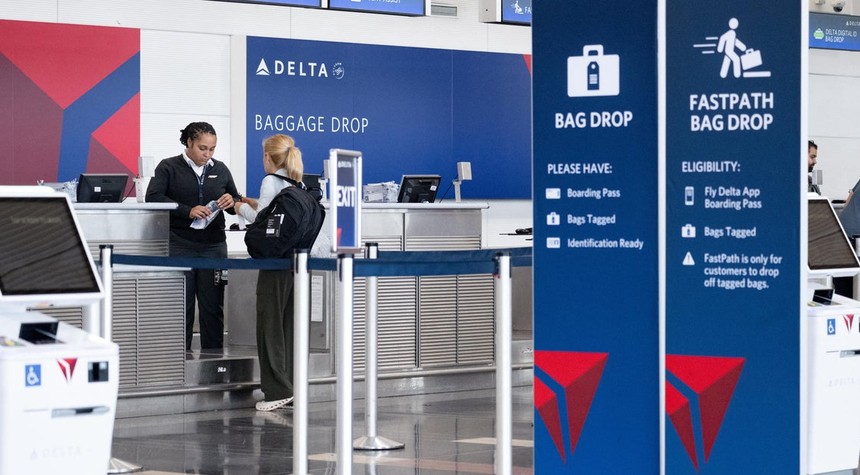
Delta Air Lines has announced an increase to its checked baggage fees, marking the first such adjustment for domestic travel in two years as the airline responds to rising operational costs driven by global instability.
The new fee structure, which takes effect Wednesday, adds $10 to the cost of checking both first and second bags on domestic and short-haul international flights. Third checked bags will now cost passengers $50, representing a notable jump from previous rates.
Under the revised pricing, travelers will pay $40 for their first checked bag and $50 for a second bag. These increases apply to standard economy passengers who do not hold elite status within Delta’s frequent flyer program or premium cabin tickets.
The airline attributed the adjustment to “evolving global conditions and industry dynamics,” a clear reference to the escalating conflict involving Iran that has disrupted global energy markets and driven jet fuel prices higher. The carrier characterized the change as part of Delta’s ongoing review of pricing across its business operations.
Despite the increases for domestic travel, certain passenger categories remain exempt from baggage fees. Delta SkyMiles Medallion club members, those traveling in first class, and other eligible customers will continue to check bags at no additional charge. Additionally, the airline confirmed that checked baggage rates for long-haul international flights will remain at current levels.
The timing of this announcement reflects broader pressures facing the aviation industry. Jet fuel represents one of the largest variable costs for airlines, and geopolitical tensions in the Middle East have historically created volatility in energy markets. The conflict involving Iran, a major oil-producing nation, has raised concerns about supply disruptions that could further impact fuel prices in the coming months.
Delta’s decision may signal a trend among major carriers. Airlines often move in concert on ancillary fees, and competitors will likely monitor passenger response to these changes closely before making their own pricing adjustments.
For American travelers, particularly families or those taking extended trips requiring multiple bags, these increases represent a meaningful addition to travel costs. A family of four checking two bags each would now face an additional $40 in fees compared to rates from earlier this week.
The airline industry has increasingly relied on ancillary revenue streams, including baggage fees, seat selection charges, and onboard purchases, to maintain profitability in a highly competitive market with thin margins. What began as a response to the 2008 financial crisis has become a permanent fixture of the flying experience for most passengers.
Travelers planning upcoming trips on Delta should review the new fee structure and consider whether alternative arrangements, such as shipping luggage ahead or consolidating belongings into carry-on bags, might prove more economical. Those with flexibility in their travel plans may also want to explore whether their ticket class or frequent flyer status qualifies them for fee waivers.
The airline industry continues to navigate a complex landscape of rising costs, competitive pressures, and changing consumer expectations as it emerges from the disruptions of recent years.
Related: New York Mayor Releases Racial Equity Plan Amid Federal Scrutiny
