
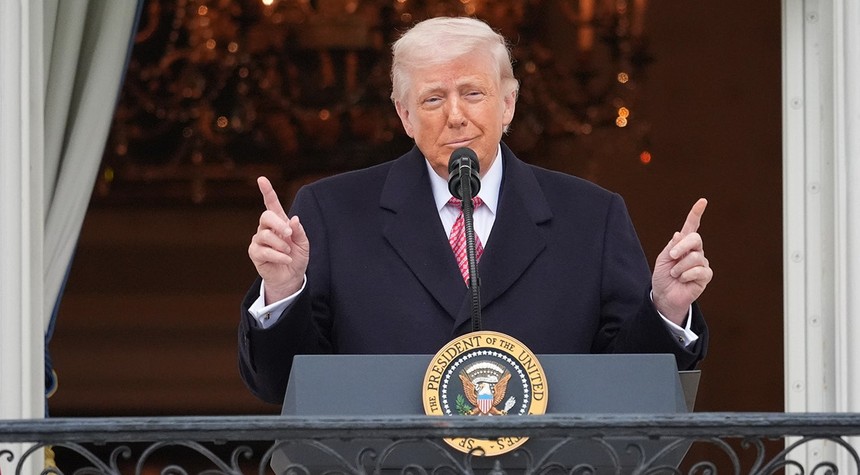
President Donald Trump publicly acknowledged Senator Rand Paul of Kentucky on Thursday following the National Capital Planning Commission’s approval of plans for a new White House ballroom, marking an unusual moment of accord between two frequent political adversaries.
The commission voted eight to one in favor of the ballroom project, with Paul casting his vote in support of the administration’s plans. Trump took to Truth Social to express his gratitude for the decision.
“I would like to thank the hardworking Commissioners and Staff of the National Capital Planning Commission, who just voted overwhelmingly, 8-1, to approve the magnificent White House Ballroom now rising on this Hallowed Ground,” the President wrote. “I am pleased to announce that even Board Member Senator Rand Paul, known as an extraordinarily difficult vote, voted a strong YES.”
The public recognition of Paul represents a notable departure from the typically strained relationship between the two men. The Kentucky senator has maintained a consistent record of opposing several key Trump administration policies, particularly regarding economic and military matters.
Paul has been among the most vocal Republican critics of the President’s tariff policies, arguing that such measures ultimately harm American consumers and businesses. The senator’s libertarian-leaning philosophy frequently places him at odds with more interventionist approaches favored by the administration.
Their disagreements have extended into matters of foreign policy as well. Paul opposed Trump’s military actions against Iran and has consistently advocated for a more restrained approach to American military engagement abroad. In late March, he distinguished himself as the sole Republican senator to support a war powers resolution designed to limit presidential authority for continued foreign military intervention without congressional approval.
Despite these ongoing policy disagreements, Paul’s vote in favor of the White House ballroom project suggests that areas of cooperation between the senator and the President remain possible on matters of domestic infrastructure and government operations.
The new ballroom has been a priority for the Trump administration, with the President himself reportedly taking personal interest in the project’s development. The facility is intended to enhance the White House’s capacity to host state dinners and other official functions befitting the nation’s executive mansion.
The National Capital Planning Commission’s decisive approval provides the necessary regulatory clearance for the project to move forward. The commission oversees federal development projects within the District of Columbia and surrounding areas, ensuring that such undertakings meet appropriate standards for the nation’s capital.
Paul’s willingness to support the ballroom project, despite his reputation for fiscal conservatism and his frequent opposition to administration initiatives, indicates that he found merit in this particular proposal. His vote may reflect a judgment that improving White House facilities serves legitimate governmental purposes worthy of federal investment.
The exchange between Trump and Paul demonstrates that even in an era of heightened political polarization, moments of bipartisan cooperation and mutual recognition can still occur when common ground is found.
Related: Healthcare Cyberattack Exposes Medical Records of 3.4 Million Americans
