
The United States faces a complex security challenge as constitutional protections that safeguard civil liberties simultaneously create vulnerabilities in monitoring naturalized citizens who may harbor extremist ideologies, according to national security expert Ryan Mauro.
Speaking this weekend, Mauro, president of the Mauro Institute, outlined the legal and practical constraints that prevent federal authorities from conducting indefinite surveillance of naturalized citizens, even those from nations with hostile governments.
“They cannot simply monitor constitutionally protected free speech and opinions after someone becomes a naturalized citizen, indefinitely, just to keep tabs on them,” Mauro explained. “They legally cannot do it, and they also lack the resources to do it.”
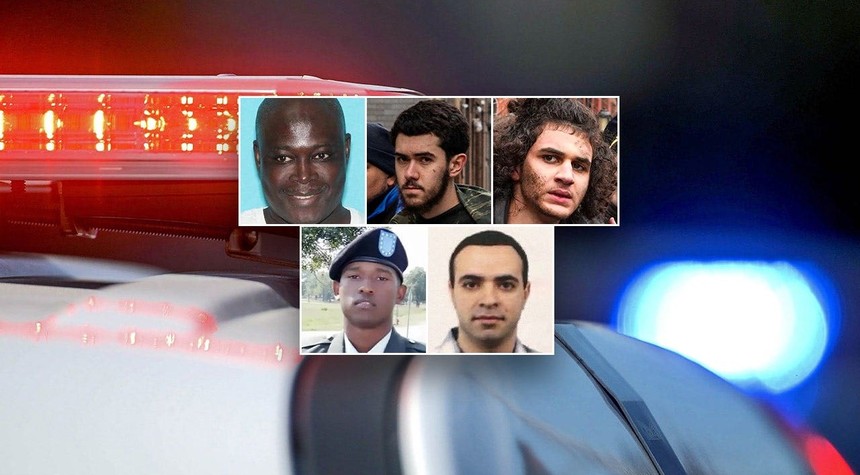
This assessment comes as the nation has experienced four separate attacks within the past month, all connected to individuals who had obtained naturalized citizenship. The timing of these incidents has intensified scrutiny of the vetting process and raised questions about the balance between security and constitutional rights.
Mauro described what he termed a “jihad olympics” currently underway, in which Sunni radical groups such as the Islamic State compete with Shiite extremists aligned with the Iranian regime. Both factions, he noted, require attention to maintain their relevance and to demonstrate divine favor as they pursue their apocalyptic objectives.
The recent wave of violence includes the case of Ayman Mohamad Ghazali, who was captured on surveillance footage purchasing more than two thousand dollars worth of fireworks at a Michigan store days before attacking a synagogue on March 12. Additionally, Mohamed Bailor Jalloh was identified as the shooter at Old Dominion University on the same date. Jalloh had previously been convicted of offenses related to the Islamic State but had been released early from custody.
The citizenship revocation process has emerged as a significant policy discussion during the current administration, particularly as these attacks have occurred amid heightened tensions between the United States, Israel, and Iran. Federal law permits revocation of naturalization if an individual joins or affiliates with a Communist party, totalitarian party, or terrorist organization within five years of obtaining citizenship.
Mauro emphasized that his organization operates outside the constraints that bind federal law enforcement agencies. “I personally have set up a civilian intelligence team that does do that type of thing,” he said, explaining that his institute has achieved success precisely because it is not bound by the same investigative limitations that govern federal authorities.
The Justice Department must exercise considerable caution to avoid launching investigations based solely on protected speech or religious beliefs, a standard that does not apply to private research organizations. This distinction, Mauro suggested, allows his team to identify potential threats that might otherwise escape official notice.
The fundamental tension remains between preserving the constitutional freedoms that define American society and protecting citizens from those who would exploit those very freedoms to cause harm. As these recent attacks demonstrate, this is not merely a theoretical debate but a practical challenge with real consequences for national security and public safety.
The coming months will likely see continued examination of how the nation can maintain both its commitment to civil liberties and its responsibility to protect citizens from those who have sworn allegiance to the Constitution while harboring allegiance to violent ideologies.
Related: Data Brokers Removed Hidden Code After Senate Pressure on Privacy Pages
