
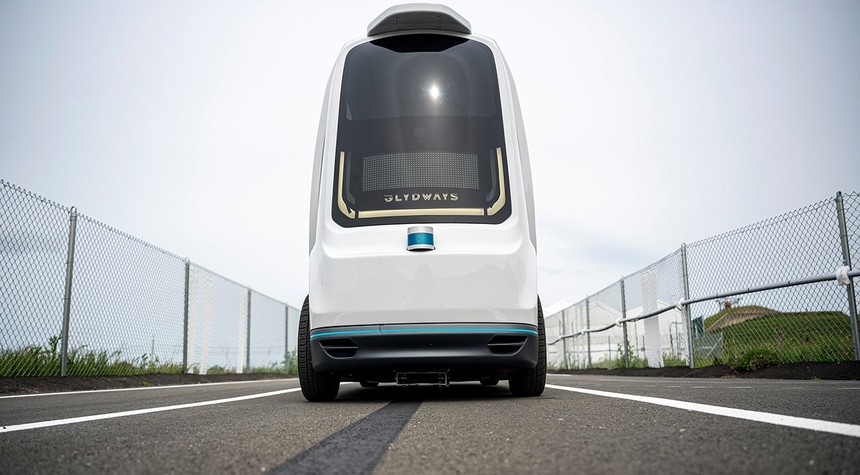
South Metro Atlanta is preparing to become the testing ground for what developers say could revolutionize urban transportation in America. The region will be the first in the world to publicly test an Automated Transit Network designed by Glydways, with live passenger service scheduled to begin in December.
The concept represents a departure from traditional public transportation models. Small electric vehicles will travel on dedicated narrow guideways, completely separated from regular traffic. Artificial intelligence will coordinate the entire system, managing vehicle movement and passenger flow without human operators.
Glydways has made ambitious promises about what this technology can deliver. The company claims its network will provide capacity comparable to traditional rail systems while maintaining fare prices similar to bus service. Perhaps most significantly, they assert the system can be deployed without the extended construction timelines that have plagued major transit projects across the country for decades.
These are substantial claims that warrant careful examination. Major metropolitan areas have struggled with transit expansion for years, often facing budget overruns and construction delays that stretch projects well beyond their original timelines. If this technology performs as advertised, it could offer a practical alternative for cities seeking to expand public transportation without committing to massive, long-term infrastructure projects.
The system’s design addresses several persistent challenges in urban transit. By operating on dedicated guideways rather than sharing road space with automobiles, the vehicles avoid the congestion that slows conventional bus service. The smaller vehicle size potentially allows for more flexible routing and higher frequency service than traditional rail. The AI coordination system promises to optimize traffic flow in ways that fixed-schedule transit cannot match.
However, questions remain about real-world performance. The technology must prove itself reliable under actual operating conditions with paying passengers. Safety protocols will face their first genuine test. The system must demonstrate it can handle peak demand periods and unexpected situations that inevitably arise in public transportation.
The Atlanta test site will provide crucial data about whether automated transit networks can deliver on their theoretical advantages. Transportation planners nationwide will be watching closely. Cities across America face mounting pressure to expand transit options while managing limited budgets and public patience for lengthy construction projects.
This December launch represents more than a local transportation experiment. It could mark the beginning of a fundamental shift in how American cities approach public transit infrastructure. If successful, similar systems could appear in suburban communities and mid-sized cities that have struggled to justify the expense of traditional rail systems.
The coming months will reveal whether this technology lives up to its billing. For commuters tired of sitting in traffic and questioning their daily routines, the answer cannot come soon enough. The test in South Metro Atlanta will show whether artificial intelligence and dedicated guideways can indeed provide a faster, more efficient path forward for American public transportation.
That is the way it is.
Related: Eleven-Year-Old Brain Tumor Patient Trapped in Mexico After Family Deportation
