
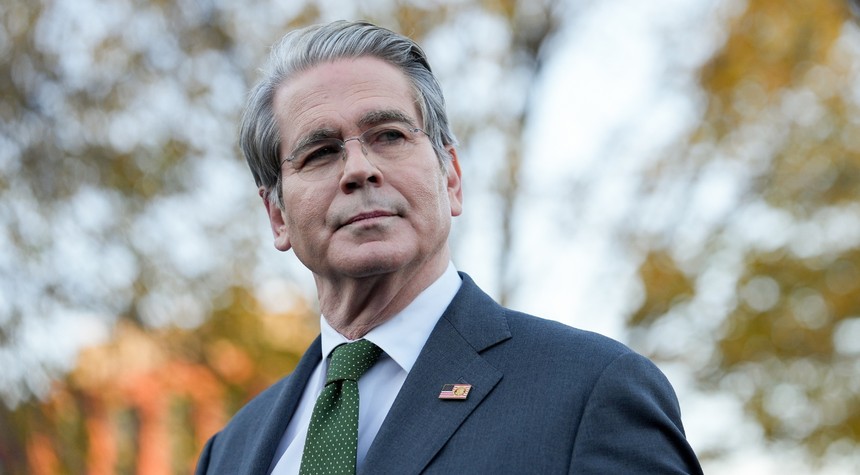
Treasury Secretary Scott Bessent delivered a stark warning this week regarding recent suggestions from Canadian leadership about pursuing greater economic independence from the United States, calling any such move “a disaster” for America’s northern neighbor.
Speaking Monday evening, Bessent addressed comments made by Canadian Prime Minister Mark Carney about middle-power nations charting their own economic courses. The Treasury Secretary dismissed these remarks as both unrealistic and ignorant of historical precedent.
“Canada depends on the U.S. There’s much more North-South trade than there could ever be East-West trade,” Bessent stated plainly. He emphasized the fundamental economic reality that binds the two nations together through geography and decades of integrated commerce.
The Treasury Secretary drew upon historical example to bolster his position, referencing the failed economic experiment of former French President François Mitterrand in the 1980s. “He talks about middle countries having to do their own thing, and I’m old enough to remember when French President François Mitterrand tried to go down that route. It failed back in the ’80s, it’ll fail now,” Bessent said.
The comments come amid ongoing discussions within the Trump administration regarding tariff policies affecting Canada, particularly concerning Chinese goods entering the United States through Canadian territory. President Donald Trump has previously threatened tariff action against Canada over concerns about border security and trade imbalances.
Bessent’s remarks represent the latest salvo in what has become an increasingly contentious relationship between Washington and Ottawa. The Treasury Secretary’s blunt assessment underscores the administration’s view that Canada’s economic prosperity remains inextricably linked to American markets and trade relationships.
The geographic and economic realities Bessent highlighted are difficult to dispute. The vast majority of Canadian exports flow southward into the United States, while East-West trade within Canada faces significant infrastructure and distance challenges. Major Canadian population centers sit within relatively close proximity to the American border, while the nation’s eastern and western provinces remain separated by thousands of miles of difficult terrain.
Beyond the Canadian question, Bessent also addressed broader economic matters during his appearance, expressing optimism about American economic prospects under the current administration. He suggested Americans should prepare for an economic boom, though he provided limited detail about specific policies or timeframes.
The Treasury Secretary’s warning to Canada reflects a broader administration strategy of using America’s economic leverage to advance policy objectives with trading partners. Whether this approach proves successful in maintaining current trade relationships or prompts partners to seek alternative arrangements remains to be seen.
For now, the message from Washington stands clear and unambiguous. The United States views any Canadian attempt at economic separation as both impractical and ultimately harmful to Canadian interests. Whether Canadian leadership heeds this warning or continues exploring alternative economic arrangements will likely shape North American trade relations for years to come.
The exchange highlights the delicate balance required in managing relationships between allied nations with deeply integrated economies, particularly when political pressures in both countries push leaders toward nationalist economic policies.
Related: Major Social Media Companies Head to Court Over Child Safety Allegations
