
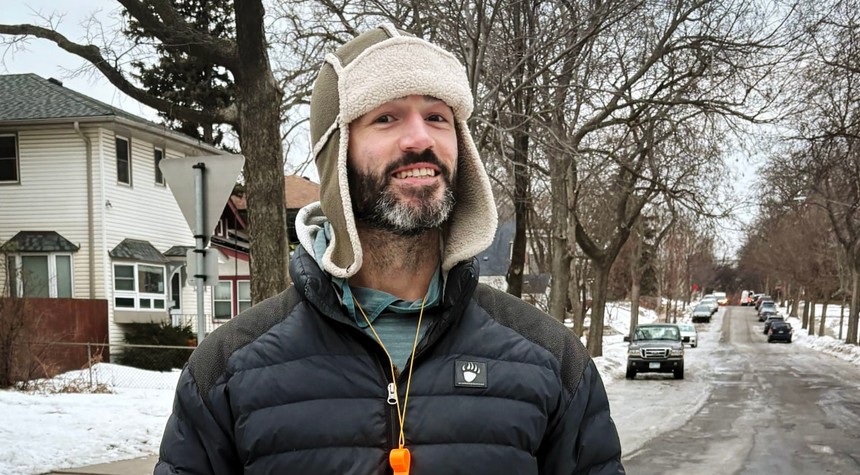
MINNEAPOLIS — In neighborhoods across the Twin Cities, a grassroots response has emerged to the federal government’s intensified immigration enforcement activities. Parents and community members have organized informal patrols around elementary and high schools, equipped with walkie-talkies, encrypted messaging applications, and whistles to alert families and school staff when immigration officers are spotted in the vicinity.
The volunteer efforts have grown substantially following the deployment of more than 3,000 federal immigration personnel to Minnesota in recent weeks. According to the Department of Homeland Security, this operation has resulted in the apprehension of more than 2,500 undocumented immigrants in Minneapolis since November as part of what officials have designated Operation Metro Surge.
The patrols gained additional urgency following last week’s fatal shooting of Renee Nicole Good by an Immigration and Customs Enforcement officer, an incident that has heightened tensions in communities with significant immigrant populations.
On a recent Thursday afternoon, approximately two dozen adults positioned themselves around the perimeter of Green Central Elementary School in central Minneapolis, mere blocks from where the shooting occurred. The volunteers maintained visual surveillance of surrounding streets while communicating observations through their network.
Greg, a 42-year-old father who requested his surname be withheld due to family safety concerns, described the daily calculations now facing parents in these communities. Standing outside his son’s elementary school, he explained the difficult choices that have become routine.
“Every morning I feel like I’m forced with the choice of ‘Do I try to do patrol to protect my daughter and her preschool or do I come to my son’s kindergarten to do patrol here?'” he said. “Those are the kind of choices that the community is being faced with.”
Across the city, similar scenes have unfolded. Volunteer Joe Dirkswager has taken up position outside another school, acknowledging passing vehicles. In St. Paul, Matthew Kearns has been approaching unfamiliar individuals near the school from which he graduated decades ago, seeking to determine whether they pose a threat to the families his group aims to protect.
The volunteers interviewed emphasized that their primary objective is safeguarding parents and school staff who lack U.S. citizenship and fear detention during school drop-off and pickup times. The patrols represent an attempt to provide advance warning that might allow these families to avoid potential encounters with immigration enforcement officers.
The situation in Minnesota reflects broader questions about the balance between federal immigration enforcement and community stability. These volunteer patrols, whether viewed as necessary community protection or interference with lawful federal operations, demonstrate the tangible impact that immigration policy implementation has on American neighborhoods.
The federal operation continues, and these volunteer patrols show no signs of diminishing. What remains uncertain is how long families will navigate these circumstances and what resolution, if any, might ease the tensions that have transformed routine school days into occasions requiring organized surveillance and rapid communication networks.
The facts are clear: federal officers are executing their duties as directed, communities are responding with organized resistance, and families are caught between competing imperatives of safety, legality, and daily life.
Related: Conservative Activist Reports Stabbing at Minneapolis Immigration Rally
