A federal judge in Minnesota has declined to issue a temporary restraining order against Immigration and Customs Enforcement operations in that state, allowing federal agents to continue their work while a broader legal challenge proceeds through the courts.
U.S. District Court Judge Kate Menendez, appointed during the previous administration, rejected Minnesota’s emergency request on Wednesday. The state had sought a two-week pause in federal immigration enforcement activities to prepare its case against what officials characterize as an unprecedented deployment of federal agents.
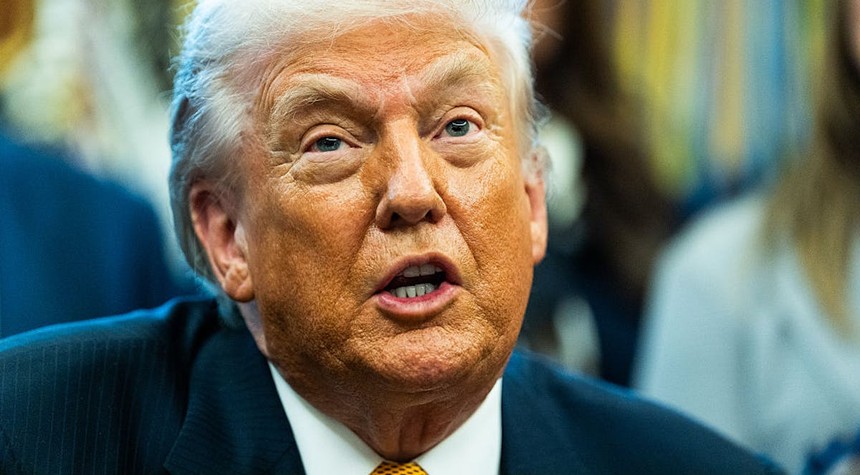
President Trump commended the judicial decision on Thursday, stating that ICE would continue operations targeting what he described as violent criminal offenders residing illegally in the state. The President emphasized that law enforcement efforts have contributed to what he characterizes as record low crime statistics.
Judge Menendez made clear that her decision on the temporary restraining order should not be interpreted as indicating her eventual ruling on the merits of Minnesota’s lawsuit. She acknowledged the significance of the issues at stake for all parties involved, while determining that the state had not met the legal threshold required for immediate injunctive relief.
Minnesota officials had argued that approximately 3,000 federal agents operating in Minneapolis and surrounding areas are conducting enforcement activities that violate constitutional protections of state residents. The state requested the brief restraining order to allow time for legal preparation as the case moves forward.
The federal government faces a January 19 deadline to respond to the state’s complaint. Judge Menendez rejected a request from federal prosecutors to extend that deadline due to the Martin Luther King Jr. holiday, finding the matter too urgent for delay.
Minnesota Attorney General Keith Ellison announced the lawsuit earlier this week, using stark language to describe the federal presence in his state. The legal action comes amid heightened tensions following a fatal shooting involving an ICE agent and a Minneapolis resident during an enforcement action. That incident has generated sustained public demonstrations in the city for more than a week.
The situation intensified further when federal authorities reported that an ICE agent was attacked by three individuals while attempting to detain a suspected illegal immigrant from Venezuela. The Department of Homeland Security characterized the Wednesday night incident as an ambush.
In response to ongoing demonstrations, President Trump indicated on Thursday that he is prepared to invoke the Insurrection Act if state officials do not take action to control what he terms professional agitators interfering with federal law enforcement operations.
The case presents fundamental questions about the balance between federal immigration enforcement authority and state sovereignty. As this legal challenge proceeds, it will test the boundaries of federal power to conduct large-scale enforcement operations within states that oppose such activities.
The matter now moves forward through the judicial system, with both sides preparing their arguments on the constitutional and statutory questions at the heart of this dispute.
Related: John Mellencamp Tells Joe Rogan Modern Politicians Lack Basic Respect