
Saint Paul Public Schools, the second-largest school district in Minnesota, has announced a temporary virtual learning option for students beginning January 22, citing safety concerns related to an increased presence of federal immigration agents in the Twin Cities area.
The decision follows an incident involving Immigration and Customs Enforcement officers that resulted in the death of a woman, sparking protests throughout the metropolitan region. District officials have determined that some families may not feel comfortable sending their children to school under current circumstances.
The virtual learning option will be available to any student whose family requests it. School administrators plan to distribute registration links via email to families on Thursday. In preparation for implementing this alternative learning format, the district has canceled classes for January 20 and 21, in addition to the previously scheduled closure on Monday for Martin Luther King Jr. Day.
This development represents a significant shift in how local educational institutions are responding to federal immigration enforcement activities. The temporary measure acknowledges the reality that some families within the district feel apprehensive about their children attending school in person while federal agents maintain an enhanced presence in their communities.
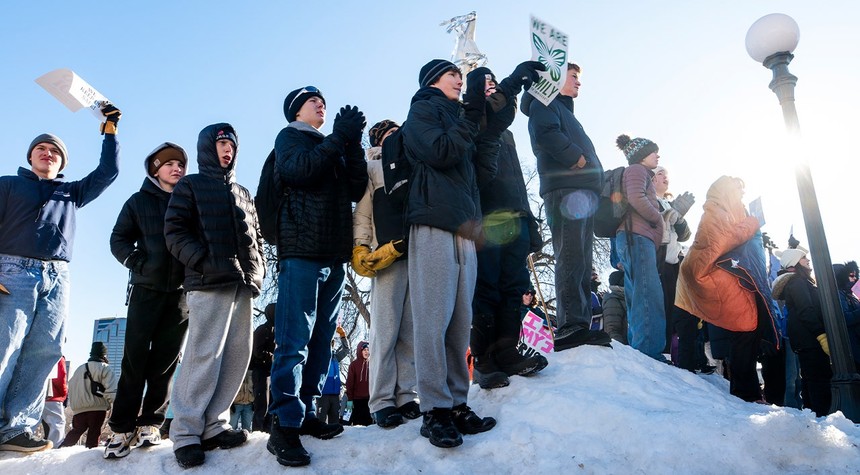
The situation in Saint Paul reflects broader tensions emerging in various urban centers where federal immigration enforcement has intensified. Student protests have already occurred at the Minnesota State Capitol, with young people walking out of classes to demonstrate against federal immigration policies.
Similar concerns have surfaced in other major cities. Los Angeles has reported students missing classes due to what administrators describe as fear of immigration enforcement actions. These absences raise questions about the intersection of federal law enforcement priorities and the fundamental right to education.
School districts across the nation now face a delicate balancing act. They must maintain safe learning environments while navigating the complex dynamics created by federal enforcement operations in their communities. The decision by Saint Paul Public Schools represents one approach to this challenge, prioritizing accessibility to education even when families feel uncertain about physical attendance.
The temporary nature of this virtual learning option suggests district officials view the current situation as fluid. Whether this measure will need extension depends largely on how federal immigration enforcement activities proceed in the coming weeks and how families within the district respond to the changed circumstances.
Education officials have not specified an end date for the virtual learning option, indicating they will monitor conditions and adjust their policies accordingly. This measured approach allows the district flexibility to respond to developments while ensuring students continue receiving instruction regardless of their families’ comfort level with in-person attendance.
The broader implications of this decision extend beyond Saint Paul. Other school districts with significant immigrant populations may find themselves facing similar dilemmas as federal enforcement efforts continue. How educational institutions balance their obligations to provide safe learning environments with the realities of federal law enforcement operations remains an evolving challenge.
And that is the way it is.
Related: Robert F. Kennedy Jr. Describes Trump’s Diet as Puzzling Given His Energy Levels
