
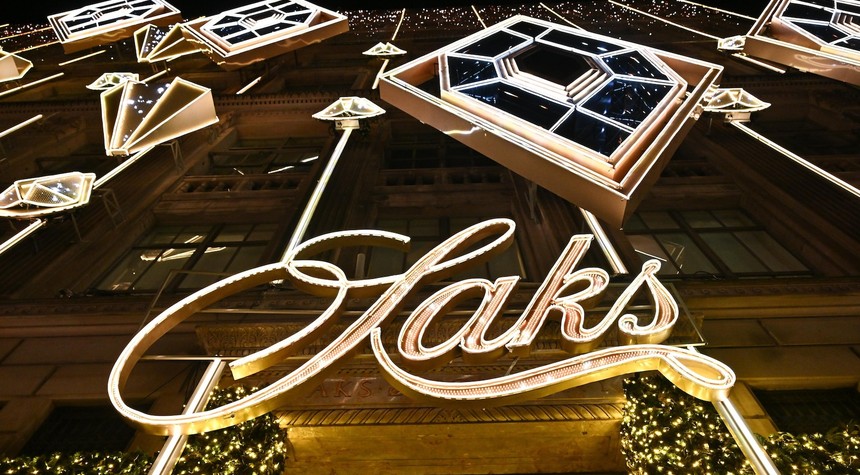
Saks Global, the parent company of luxury retailer Saks Fifth Avenue, filed for Chapter 11 bankruptcy protection Wednesday in the Southern District of Texas, marking a significant downturn for one of America’s most recognizable names in high-end retail.
The New York-based company has secured approximately $1.75 billion in financing commitments as it seeks to restructure its operations and address mounting debt obligations. Company officials have assured stakeholders that stores will remain open throughout the bankruptcy proceedings.
The filing comes just over a year after Saks completed its $2.65 billion acquisition of rival luxury retailer Neiman Marcus, a deal that substantially increased the company’s debt burden. That acquisition, announced in the summer of 2023, was intended to consolidate two storied names in American luxury retail. Instead, it appears to have accelerated financial pressures that were already building within the organization.
The bankruptcy filing arrives amid a period of considerable turbulence in the company’s executive leadership. Geoffroy van Raemdonck assumed the roles of Chief Executive Officer and Executive Chairman this week, replacing Richard Baker. Baker himself had only recently taken control after the departure of former CEO Marc Metrick earlier this month. This rapid succession of leadership changes suggests internal recognition that significant course corrections were necessary.
Van Raemdonck characterized the bankruptcy as an opportunity rather than a defeat. “This is a defining moment for Saks Global, and the path ahead presents a meaningful opportunity to strengthen the foundation of our business and position it for the future,” he stated in company materials accompanying the filing.
The company has emphasized its commitment to maintaining normal operations during the restructuring process. Customer loyalty programs will continue without interruption, according to company statements. Additionally, Saks has pledged that suppliers will receive payment for goods and services, and employees will continue to receive their compensation as scheduled.
The luxury retail sector has faced mounting challenges in recent years. Rising competition from online retailers and changing consumer preferences have pressured traditional brick-and-mortar establishments. The pandemic accelerated many of these trends, forcing even well-established retailers to reconsider their business models.
For Saks Global, the decision to pursue an aggressive acquisition strategy appears to have compounded these broader industry challenges. The substantial debt load assumed in the Neiman Marcus purchase left the company with limited financial flexibility to navigate an increasingly competitive marketplace.
The bankruptcy filing will allow Saks Global to restructure its debt obligations under court supervision while continuing operations. This process, known as Chapter 11 reorganization, has been used by numerous American companies to address unsustainable debt levels while preserving their underlying business operations.
The outcome of this restructuring will have significant implications not only for Saks employees and customers but also for the broader luxury retail sector. The fate of these two historic American retail brands, now under common ownership, remains uncertain as the bankruptcy process unfolds.
Related: Robert F. Kennedy Jr. Describes Trump’s Diet as Puzzling Given His Energy Levels
