
The House of Representatives moved Thursday toward approval of legislation extending health care tax credits for three years, with a notable contingent of Republicans joining Democrats to advance the measure despite significant opposition within the GOP caucus.
The tax credits in question, which expired at the end of last year, have subsidized health insurance premiums for millions of Americans purchasing coverage through state-run exchanges. Without these enhanced credits, analysis indicates that premiums would approximately double for many policyholders, creating substantial financial hardship for families across the nation.
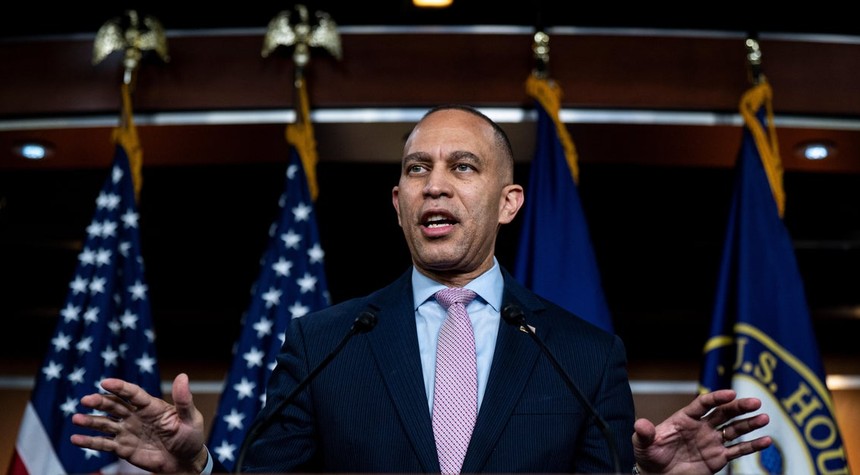
House Minority Leader Hakeem Jeffries of New York announced Thursday morning that the bipartisan coalition would advance the legislation to prevent what he described as dramatically increased premiums, copays, and deductibles for millions of Americans. The measure represents a significant procedural victory for Democrats, who required Republican support to bring the bill to the floor through a discharge petition.
Nine Republicans voted with Democrats during Wednesday’s procedural vote to advance the measure, more than doubling the four who initially broke ranks last month. Among those Republicans are Representatives Mike Lawler of New York and Brian Fitzpatrick, Ryan Mackenzie, and Rob Bresnahan of Pennsylvania.
The path to this vote has been neither simple nor swift. The enhanced tax credits became a central point of contention during the government shutdown that extended from October into November, ultimately becoming the longest shutdown in American history. Several Senate Democrats eventually broke with their party to end the shutdown without securing an extension of the credits, prompting House Democrats to pursue an alternative strategy requiring cross-party cooperation.
Representative Lawler explained the difficult position facing moderate Republicans. Following the shutdown, bipartisan negotiations attempted to produce a compromise bill that would extend the subsidies while implementing necessary reforms to the system. When those efforts failed to produce a vote before the Christmas recess, signing onto the three-year discharge petition became the only viable alternative to allowing the credits to expire entirely.
Moderate Republicans who supported the measure have been careful to note their preference for reform alongside extension. They view the current bill not as ideal policy, but as a legislative vehicle that may facilitate compromise in the Senate. Lawler expressed hope that Senate consideration of the House-passed measure would provide opportunity for a bipartisan compromise incorporating the reforms Republicans seek.
The legislation faces an uncertain future in the Senate, where it is unlikely to pass in its current form. However, lawmakers from both parties have indicated the bill could serve as the foundation for broader negotiations. Moderate members of both chambers have been working toward a solution that balances the immediate need to prevent premium increases with longer-term reforms to health care policy.
The vote represents a test of whether bipartisan cooperation on health care policy remains possible in an increasingly polarized political environment. For millions of Americans watching their mailboxes for insurance premium notices, the outcome carries immediate and tangible consequences.
Related: Minneapolis Woman Shot by ICE Officer Identified as Mother of Three
