
Federal prosecutors in Minnesota have filed charges against six additional individuals in what authorities are describing as an unprecedented wave of public assistance fraud that has cost the state hundreds of millions of dollars and may ultimately reach into the billions.
The charges announced Thursday bring the total number of defendants in related cases to more than 90, with many already convicted. The scope of the fraud has placed Governor Tim Walz’s administration under intense scrutiny and drawn sharp criticism from President Trump.
Thursday’s indictments focus primarily on housing assistance and autism services programs. The cases add to an already sprawling investigation that began with pandemic-era food aid fraud and has since expanded to encompass multiple state assistance programs.
Among those charged are two Philadelphia men who allegedly traveled to Minnesota specifically to exploit what they described as “a good opportunity to make money” through fraudulent claims in a now-defunct housing stabilization program. Five individuals face wire fraud charges in connection with that scheme.
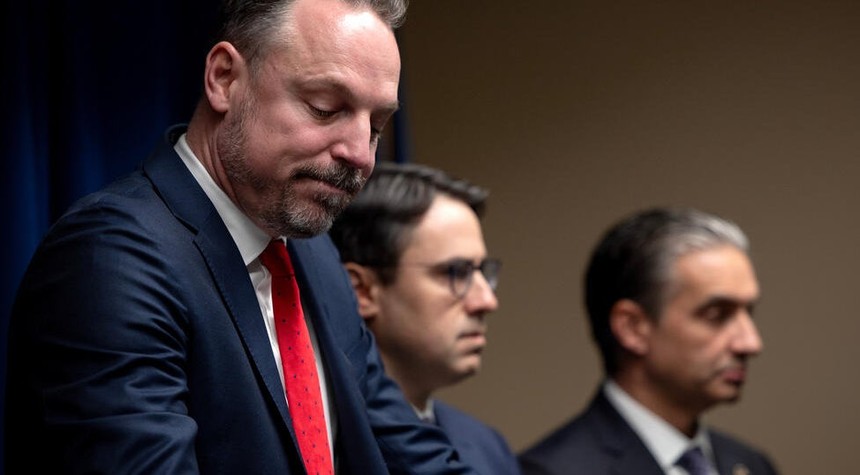
Assistant United States Attorney Joseph Thompson delivered a stark assessment of the situation during a press conference Thursday, warning that Minnesota confronts a fraud problem of extraordinary magnitude. Thompson pointed to 14 different Medicaid programs that state officials have identified as having “significant fraud problems.”
“The fraud is not small. It is not isolated. The magnitude cannot be overstated,” Thompson stated. “What we see in Minnesota is not a handful of bad actors committing crimes. It is a staggering, industrial-scale fraud.”
While Minnesota is not alone in grappling with public assistance fraud, particularly schemes targeting pandemic aid funds, prosecutors suggest the state faces challenges of unusual severity. The systematic nature of the fraud and the sheer number of defendants involved distinguish this case from isolated incidents of benefit abuse seen elsewhere.
Governor Walz has pledged aggressive action to address the fraud and has implemented new oversight measures. However, the continuing stream of indictments raises questions about the adequacy of controls that were in place when these programs were operating.
President Trump has made Minnesota’s fraud problems a focal point of criticism, particularly targeting the state’s substantial Somali-American community. While most of the defendants are of Somali descent, prosecutors note that not all those charged share that background.
The investigation remains active, with the pandemic-era food aid fraud case that initially exposed the broader pattern of abuse still under prosecution. Federal authorities have indicated they expect additional charges as investigators continue examining Minnesota’s public assistance programs.
The scale of the alleged fraud has prompted calls for comprehensive reform of how states administer and monitor public assistance programs. As prosecutors work through the existing caseload, the full extent of the losses to Minnesota taxpayers continues to grow, underscoring the vulnerability of programs designed to serve the state’s most vulnerable populations.
This is a developing story as federal prosecutors continue their investigation into what they characterize as systematic exploitation of Minnesota’s public assistance infrastructure.
Related: Illegal Immigrant Charged with Murder One Day After Release by Virginia Authorities
