
The United States Department of Education has identified a significant breach in the federal student financial aid system, with Minnesota emerging as a focal point for what officials describe as systematic fraud involving millions in taxpayer dollars.
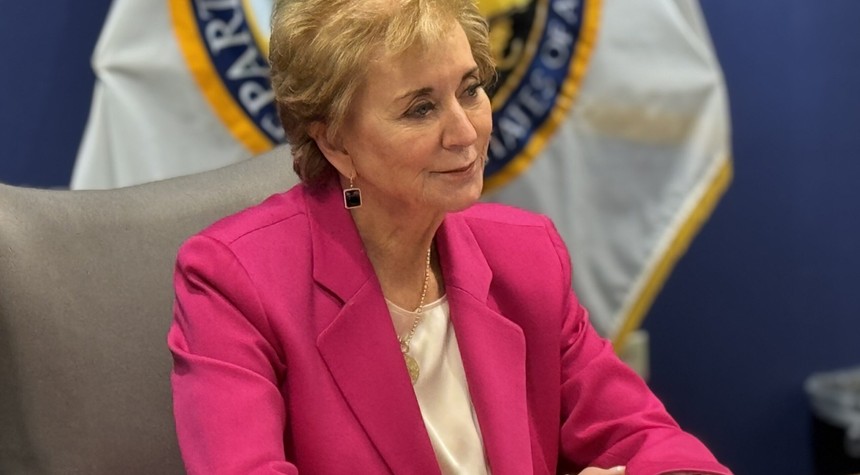
Education Secretary Linda McMahon has formally notified Minnesota Governor Tim Walz that federal investigators discovered $12.5 million in fraudulent student loan and education grant disbursements within his state. The disclosure comes as part of a broader investigation that has identified over $1 billion in attempted financial aid theft nationwide.
According to the department’s findings, fraudulent actors created what officials term “ghost students” to exploit the federal postsecondary education system. These phantom applicants, numbering 1,834 in Minnesota alone, successfully obtained federal grants and loans without proper identity verification. In many cases, the individuals either resided outside the United States or did not exist at all.
The scheme operated through a straightforward mechanism. Fraudsters submitted applications on behalf of these ghost students, collected federal disbursements, shared a portion with participating educational institutions, and retained the remainder without any actual enrollment or attendance at the colleges in question.
The Education Department has implemented new fraud prevention measures that utilize advanced detection systems to identify suspicious patterns in financial aid applications. These systems have flagged activities linked to international fraud rings and automated schemes employing artificial intelligence technology to generate false applications.
Minnesota’s concentration of these fraudulent activities has drawn particular attention from federal authorities. The state hosts the nation’s largest Somali immigrant population, and investigators have traced significant portions of the fraud to networks within this community. Secretary McMahon’s correspondence to Governor Walz specifically addressed concerns about oversight failures that may have enabled such widespread abuse of federal programs.
The investigation extends beyond education fraud. Federal authorities have documented similar patterns of exploitation across multiple assistance programs, including housing subsidies, nutrition assistance, and small business support initiatives. Some investigations have suggested connections between fraudulent proceeds and financial transfers to overseas entities.
The revelations have prompted calls for enhanced verification protocols within federal aid distribution systems. Critics have questioned how such extensive fraud could occur without triggering earlier detection mechanisms, particularly given the substantial sums involved and the concentrated geographic pattern of the schemes.
The Trump administration has responded to these findings with policy adjustments affecting immigration status for certain populations. Officials have indicated intentions to review temporary protected status designations for individuals from countries where fraud networks have been identified.
This situation presents fundamental questions about the integrity of federal assistance programs and the adequacy of existing safeguards. The scale of the fraud suggests systemic vulnerabilities that extend beyond simple oversight lapses. As investigations continue, the focus has shifted toward implementing verification requirements that can prevent similar exploitation while ensuring legitimate students retain access to financial aid.
The Minnesota case serves as a stark reminder of the ongoing challenge federal agencies face in balancing accessibility of assistance programs with necessary security measures to protect taxpayer resources from organized fraud.
Related: Border Patrol Chief Returns to Chicago as Immigration Enforcement Operations Intensify
