
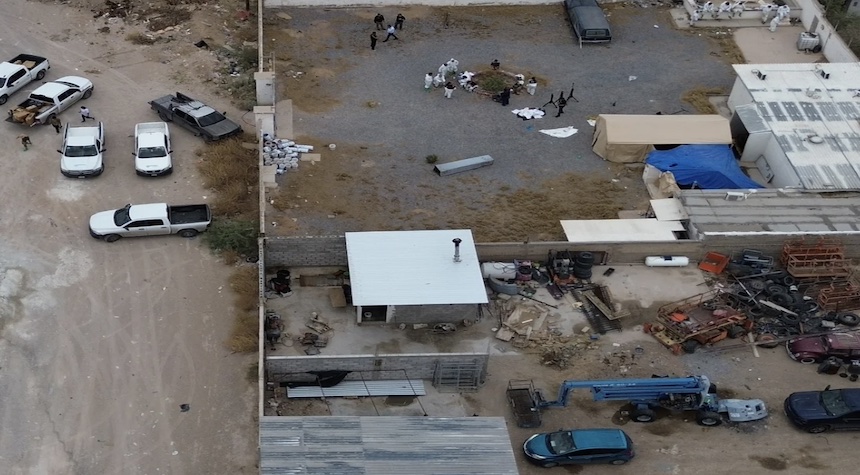
Reports from Ciudad Juarez, Mexico, indicate that local authorities have made a grim discovery at a private crematorium near the U.S. border. According to the Chihuahua state prosecutor’s office, 383 bodies were found improperly stored and not cremated as expected.
The corpses, officials say, were haphazardly piled in various rooms of the facility, with no apparent order or respect for the deceased. All bodies had been embalmed, suggesting a degree of preparation that makes the subsequent neglect all the more troubling. Eloy Garcia, communications coordinator for the prosecutor’s office, described the scene as bodies “just thrown like that, indiscriminately, one on top of the other, on the floor.”
Mexico has been grappling with a crisis in its forensic system for years, overwhelmed by the high number of bodies to be processed, a shortage of personnel, and budget constraints. This incident appears to be a stark manifestation of these systemic issues.
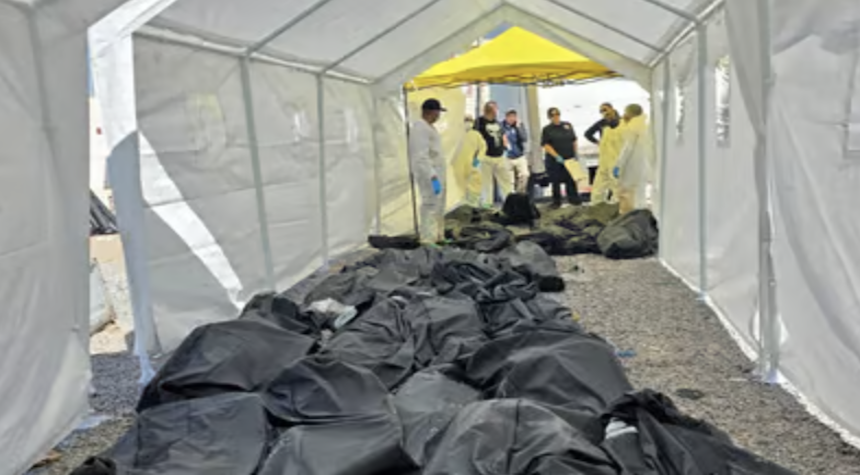
Two individuals have been arrested in connection with the case. The prosecutor’s office attributes this situation to negligence, citing the “carelessness and irresponsibility” of the crematorium owners. They emphasize that such businesses are well aware of their daily cremation capacity and should not accept more bodies than they can process.
This development follows earlier reports of ongoing challenges in Mexico’s management of human remains, particularly in areas affected by organized crime. The evidence suggests that some of the bodies at this Ciudad Juarez facility may have been there for up to two years.
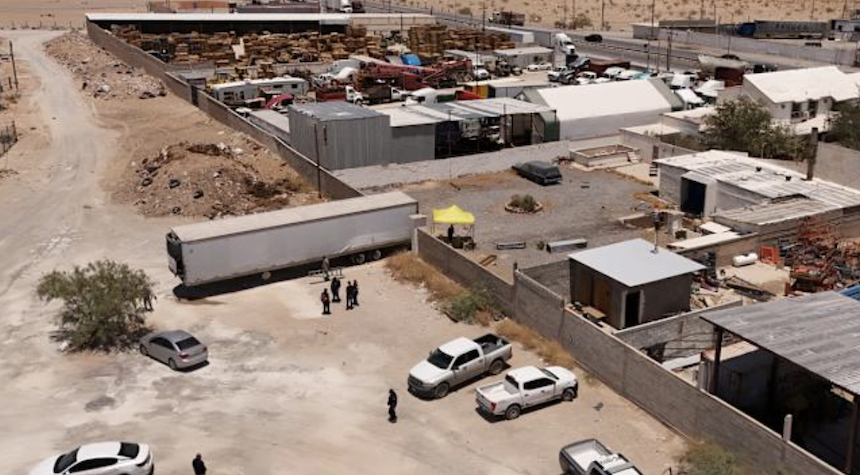
State Attorney General César Jáuregui Moreno has pledged a thorough investigation and to seek the highest possible penalty for those responsible. He has also met with families concerned that their loved ones may be among the recovered bodies, promising to minimize their re-victimization.
To conclude, this raises important questions about oversight of funeral services, the dignity afforded to the deceased, and the broader implications for public health and trust in institutions.
