
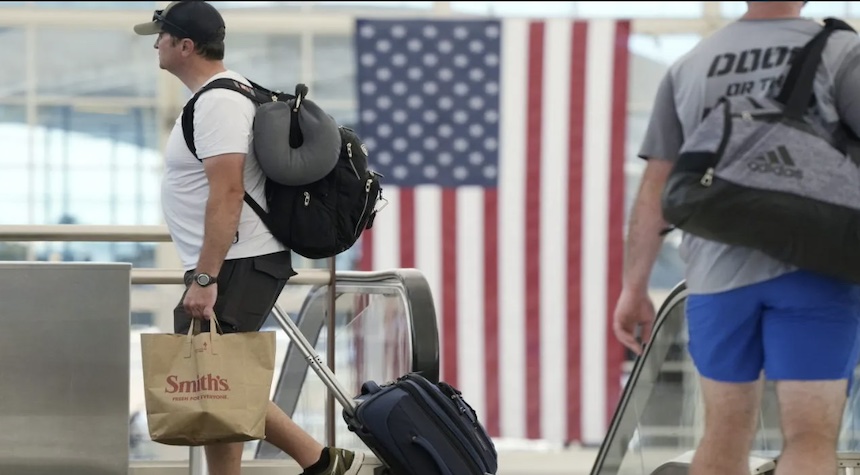
Reports from across the nation indicate that this year’s Fourth of July holiday period is poised to set new records for travel volume. The American Automobile Association, known as AAA, projects that 72.2 million Americans will journey at least 50 miles from their homes between June 28 and July 6. This represents an increase of 1.7 million travelers compared to last year, and 7 million more than in 2019.
In the air, a record 5.84 million passengers are expected to fly domestically, marking a 1.4% increase from the previous year. According to data from Hopper, a travel booking platform, domestic airfares are at their lowest in four years, averaging $260 for a round trip. International travel costs have also decreased, with flights to Europe averaging $840 round-trip.
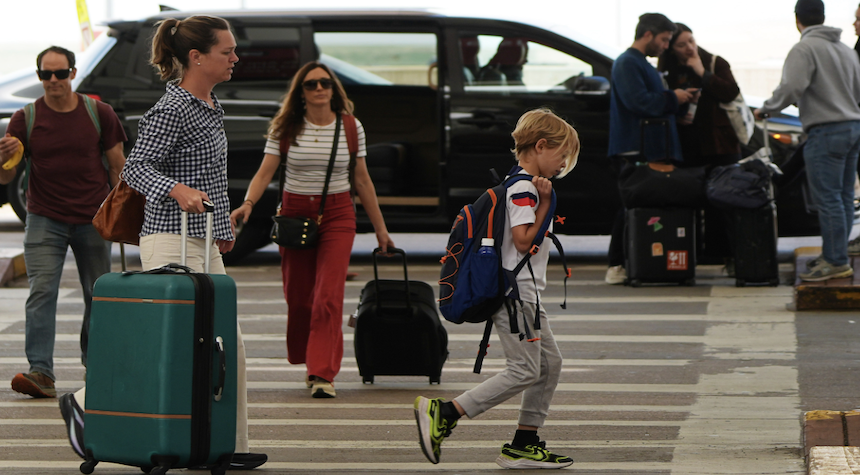
The Transportation Security Administration reports that Sunday, June 22, saw nearly 3.1 million travelers screened, making it the busiest day in the agency’s history. The TSA anticipates that Sunday, July 6, will be the peak travel day during its holiday period, which runs from July 1 to July 7.
AAA projects 61.6 million people will travel by car, a 2.2% increase from last year. This is expected to be the busiest Independence Day ever recorded on American roads. However, there is some positive news for motorists: summer gas prices are at their lowest since 2021, according to AAA data.
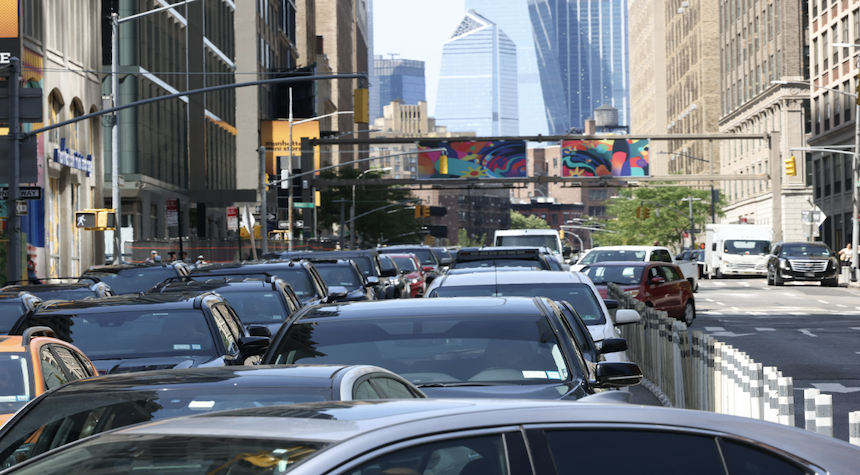
The significance of these travel patterns becomes clear when we consider their economic and social implications. Increased travel suggests consumer confidence and spending, while also posing challenges for transportation infrastructure and services.
As always, travelers are advised to plan, allow extra time for security procedures, and stay informed about local conditions at their destinations. We hope everyone is safe and has an amazing July Fourth.
