
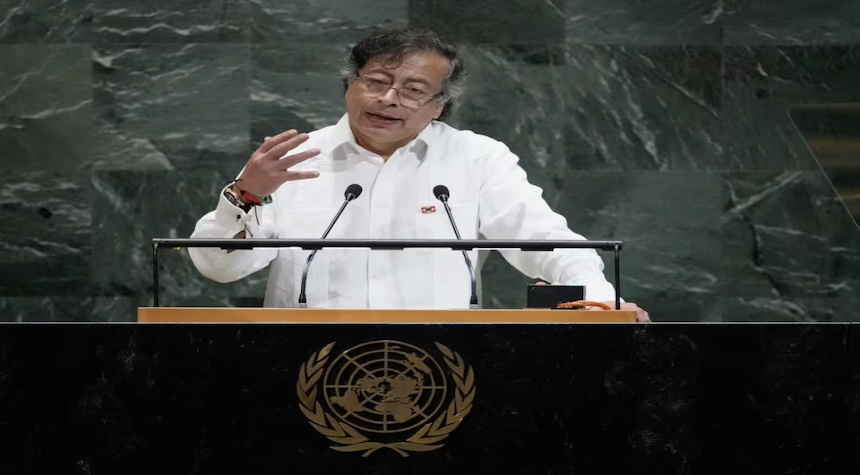
In a development that has heightened tensions between the U.S. and Colombia, the U.S. State Department has revoked the visa of Gustavo Petro, the President of Colombia. The move comes in response to Petro’s public appeal to American soldiers to disregard President Trump’s orders, made during a protest in New York.
The State Department announced via social media that Petro had “urged U.S. soldiers to disobey orders and incite violence” while standing on a New York City street. They described his actions as “reckless and incendiary”, leading to the revocation of his visa. Petro was in the U.S. for the annual U.N. General Assembly at the time.
The significance becomes clear when we consider Petro’s comments during a protest over the Gaza war. He beseeched, “I ask all the soldiers of the United States’ army, don’t point your rifles against humanity.” He further urged them to “disobey the orders of Trump.”
You May Also Like: Congressional Security Bill Could Soar Past $1B
Petro, who is Colombia’s first leftist president, has a history of speaking candidly in ideologically charged speeches. He announced on arrival back in Colombia that he had discovered his visa status upon landing.
The State Department has not addressed whether this revocation will affect Petro’s future visits. In a post addressed to Trump, Petro asserted that “international law grants me immunity to go to the U.N. and that there should be no reprisals for my free opinion, because I am a free person.”
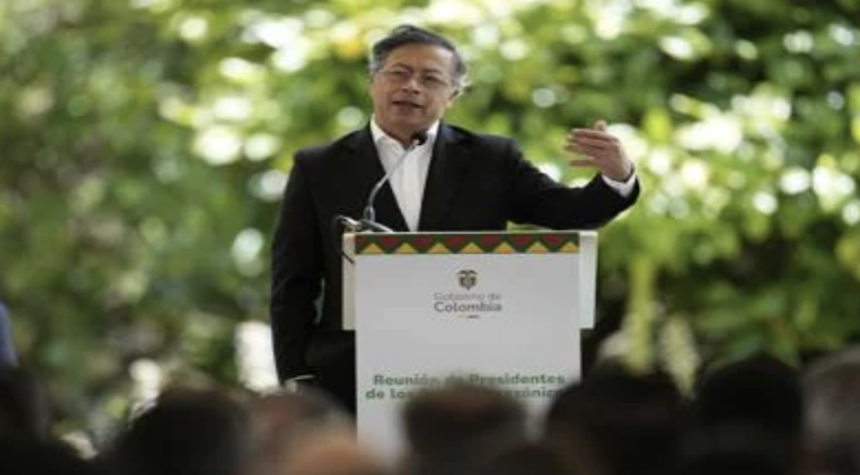
Reports from Colombia indicate that Petro, who also holds European citizenship, said he was indifferent about the visa revocation as he does not require a visa to travel to the U.S.
Petro, a former rebel group member, has had several disagreements with Trump’s administration, despite Colombia’s long-standing alliance with the U.S. The two nations have cooperated closely in the fight against drug trafficking.
This development follows earlier reports that Petro called for a criminal investigation of Trump and other officials involved in recent deadly strikes on vessels in the Caribbean, citing drug transportation. The White House has provided limited information about the operations or the legal authorities under which they were conducted.
Relations between the U.S. and Colombia have further strained as Petro opposed deportation flights using American military aircraft. The situation escalated into a diplomatic crisis as Trump threatened retaliation with increased tariffs and visa suspensions. Colombia, with the U.S. as its largest trading partner, eventually conceded and accepted the planes.
The U.S. criticized Colombia earlier this month for failing to cooperate with anti-narcotics efforts. While no sanctions were inflicted, the censure was a stark admonishment that irked Petro. He lamented the loss of “policemen, soldiers, and regular citizens, trying to stop cocaine” from reaching the U.S.
This raises important questions about the future of U.S.-Colombia relations, and we’ll continue to keep a close watch on the developments.
