
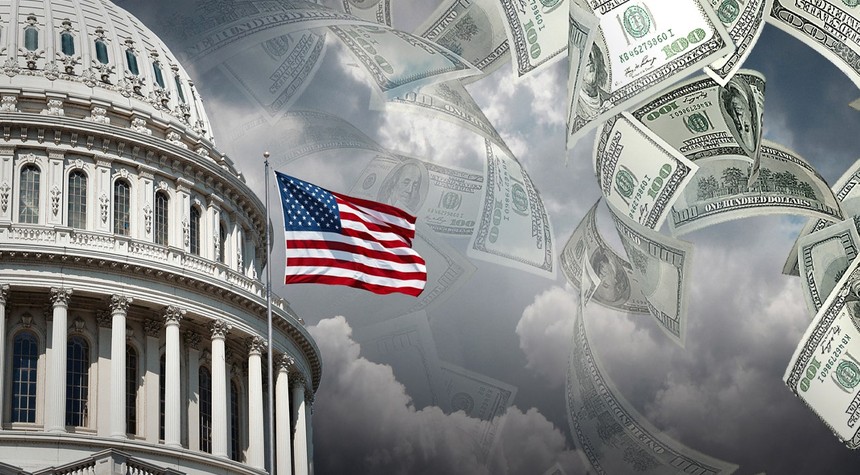
The United States Senate has taken decisive action to prohibit its members and staff from participating in prediction markets, passing the measure with unanimous consent in a rare display of bipartisan agreement.
The decision comes amid growing concerns that lawmakers with access to privileged information could exploit prediction markets for personal gain, potentially compromising the integrity of the legislative process and national security.
Senate Minority Leader Chuck Schumer characterized the practice as a national security risk. The very possibility that a member’s vote could be influenced by financial wagers, he argued, provides sufficient justification for the prohibition. Schumer emphasized that Congress must never be allowed to transform into a casino, where legislative outcomes become subject to personal financial interests.
The scope of these prediction markets extends far beyond simple political forecasting. Participants can wager on economic indicators, potential military conflicts, terrorist incidents, and virtually any real-world event that can be quantified and measured. The most pressing concern on Capitol Hill centers on potential betting related to legislative outcomes and nominee confirmations.
Senator Bernie Moreno of Ohio, who championed the rule change, articulated the fundamental principle at stake. Engaging in prediction markets where lawmakers possess inside information erodes public confidence in Congress, he noted. Senator Alex Padilla of California expanded Moreno’s original proposal to include Senate staff members, recognizing that aides often possess the same privileged information as their elected principals.
The timing of this action proves significant. Just weeks before the Senate vote, federal authorities arrested a United States special forces soldier who allegedly used classified information to place bets on the capture of former Venezuelan leader Nicolás Maduro. In another troubling case, Virginia Senate candidate Mark Moran wagered on his own entry into the race, subsequently profiting from that bet after officially declaring his candidacy.
Representative Rob Wittman of Virginia indicated that the House of Representatives may follow the Senate’s lead, though no formal action has been taken in the lower chamber. Wittman observed that any situation where congressional service creates opportunities for individual financial benefit requires strict regulation.
The constitutional authority for this action rests on each chamber’s power to establish its own rules and procedures. This internal governance mechanism allows the Senate to act independently of the House, though similar concerns presumably apply to both bodies.
Senator Moreno stressed that constituents must have confidence that their representatives’ sole guiding principle remains the public interest. Lawmakers must demonstrate that their decisions serve their states and the nation, not their personal financial portfolios.
The measure represents an acknowledgment that the intersection of privileged information and financial markets creates unacceptable conflicts of interest. Whether the House will adopt comparable restrictions remains to be seen, but the Senate’s unanimous action sends a clear message about the standards expected of those who serve in Congress.
This development marks another chapter in the ongoing effort to maintain ethical standards in government and preserve public trust in democratic institutions.
Related: Trump Administration Releases Previously Classified Reports on Unexplained Aerial Phenomena
